

How To: Deal With Adversity
Adversity is something every athlete will face.
Whether it’s losing a big game, suffering an injury, getting cut from a team, or dealing with challenges outside of sports, there will always be moments when things don’t go the way we planned.
But sometimes, adversity goes far beyond competition.
The recent loss of Coach Jordan Bledsoe has been an incredibly difficult time for the entire Velocity Sports Performance Westchester family.
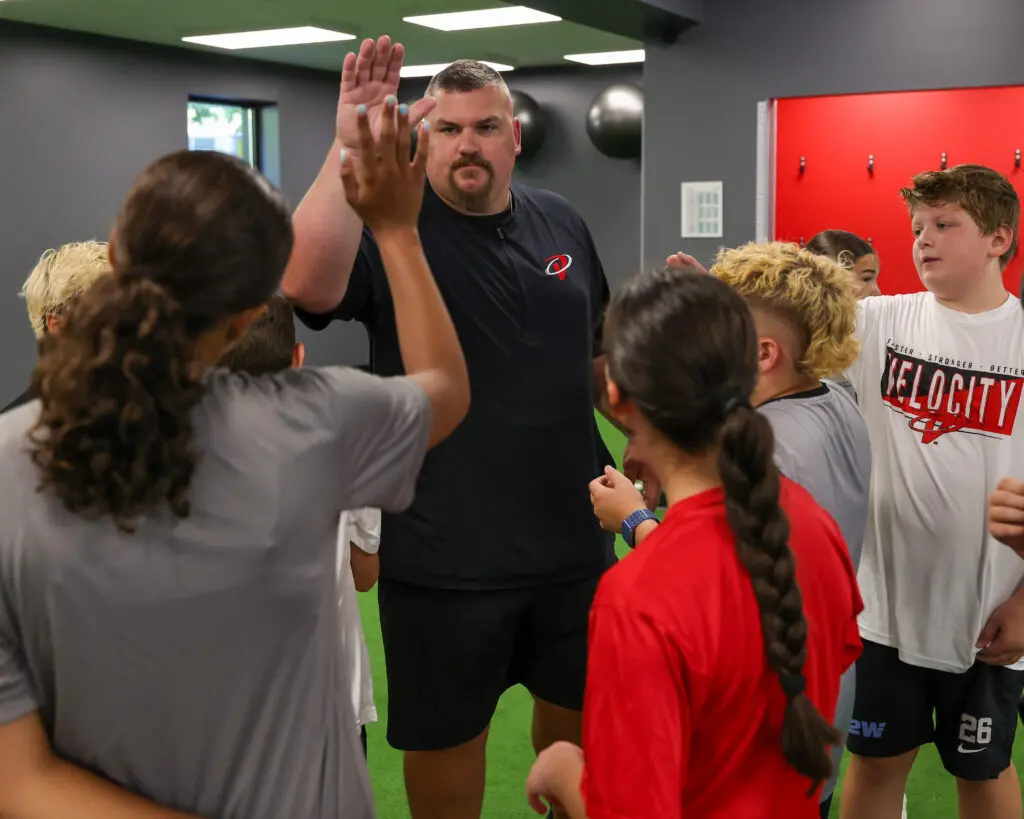
Jordan was more than an owner, coach, and Director of Performance. He was a leader, mentor, and someone who dedicated his career to developing not just better athletes, but better people. His impact went far beyond the weight room or training floor. Through the relationships he built, the standards he set, and the example he provided, Jordan helped create a community built on hard work, accountability, and genuine care for others.
And while losing someone so important is not something we can simply move past, the lessons and values he instilled in those around him will continue to live on. Moments like these remind us that adversity isn’t always something we can prepare for.
Some challenges test our confidence. Others test our patience. And some change our lives in ways we never expected.
What matters isn’t pretending those challenges don’t affect us. It’s learning how to navigate them, support one another, and find a way forward at our own pace.
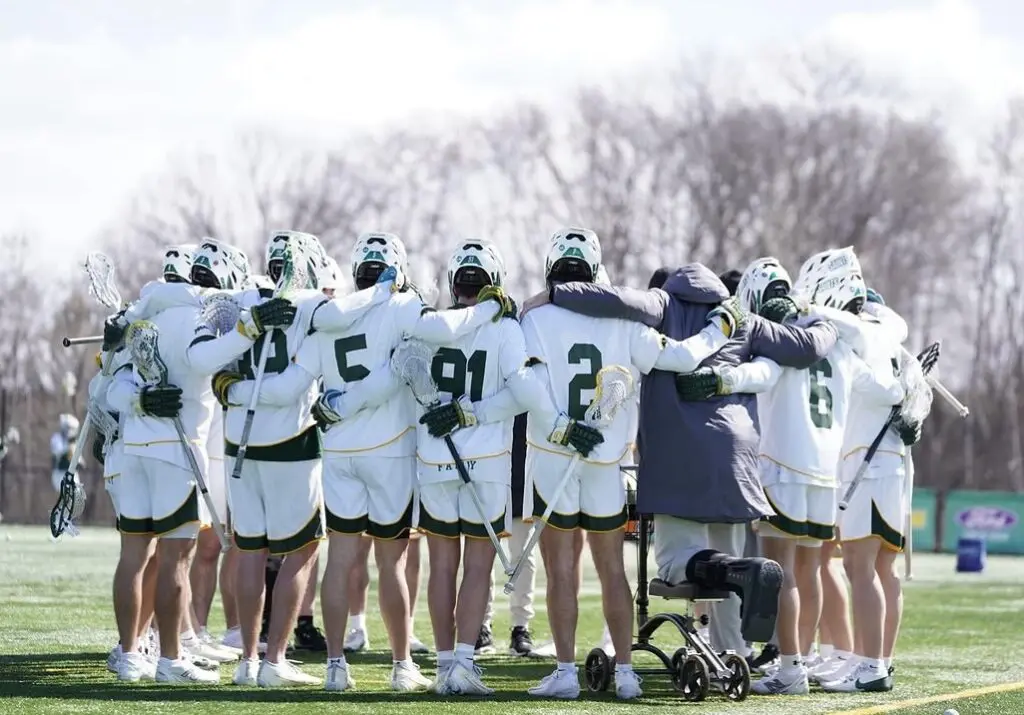
Research in sport psychology shows that resilience is influenced by confidence, motivation, focus, and the support systems we build around ourselves (Fletcher & Sarkar, 2012).
The important thing to understand is that resilience doesn’t mean being unaffected by difficult situations. It means developing the tools to work through them, even when the process isn’t easy. And while not every difficult experience can be treated like a training challenge, many of the skills that support resilience can be developed over time.
Let’s break it down.
Why Adversity Is Part of Being an Athlete
Sports teach us a lot about success.
But some of the most important lessons come from moments when things don’t go our way.
Every athlete will experience challenges such as:
- Losing games or competitions
- Injuries and setbacks
- Not meeting personal expectations
- Changes in teams, coaches, or environments
- Pressure from school, sports, and everyday life
- Personal challenges outside of competition
These experiences can test confidence, motivation, and mental toughness.
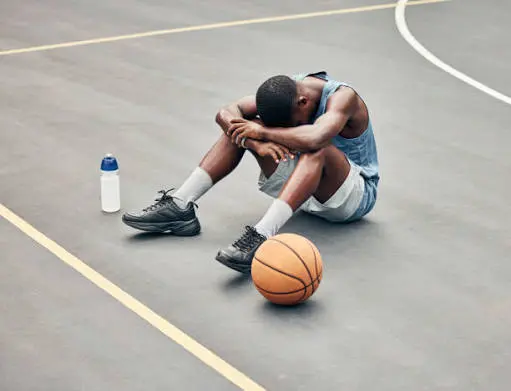
Research by Sarkar and Fletcher (2014) identifies competitive, organizational, and personal stressors as challenges athletes face throughout their careers.
The important thing to understand is that adversity looks different for everyone.
For one athlete, it might be losing a starting position. For another, it might be dealing with the loss of someone important in their life. Not every challenge is equal, and not every challenge requires the same response.
What matters is learning how to respond in a healthy way and understanding when to lean on others for support.
Focus on What You Can Control
One of the biggest mistakes athletes make when facing adversity is spending too much energy on things they cannot change.
The final score. A coach’s decision. An injury that already happened. An unexpected life event.
While these situations can be frustrating or painful, constantly focusing on what went wrong can make it harder to recognize what comes next.
A better approach is identifying what you can control.
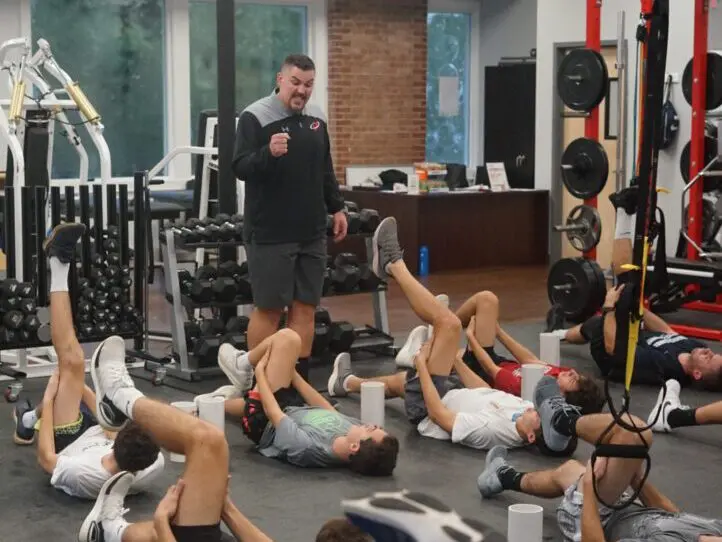
Focus on:
- Your effort
- Your attitude toward the next step
- How you communicate with others
- Your preparation
- Your willingness to ask for help
- The decisions you make moving forward
Research by Fletcher and Sarkar (2012) highlights the importance of how athletes interpret stressful situations and direct their attention when developing psychological resilience.
Think of it this way:
You can’t always control what happens to you. But you can work on how you respond to it.
That doesn’t mean every situation has an easy answer.
It means focusing on the next step that’s actually within your control.
Understand That It’s Okay to Struggle
Athletes are constantly told to be tough.
Push through. Stay focused. Don’t show weakness. But mental toughness doesn’t mean ignoring how you feel.
When something difficult happens, it’s normal to experience frustration, anger, disappointment, confusion, or sadness.
Those emotions don’t make you weak.
They make you human.
Research by Neff (2003) suggests that self-compassion, which involves recognizing difficult emotions without excessive self-criticism, is associated with healthier psychological well-being.
This becomes especially important when adversity involves something bigger than sports. When dealing with grief or personal loss, there isn’t a specific timeline for feeling better.
Some days may feel normal. Others may feel much harder. And that’s okay. Being strong and experiencing difficult emotions are not opposites.
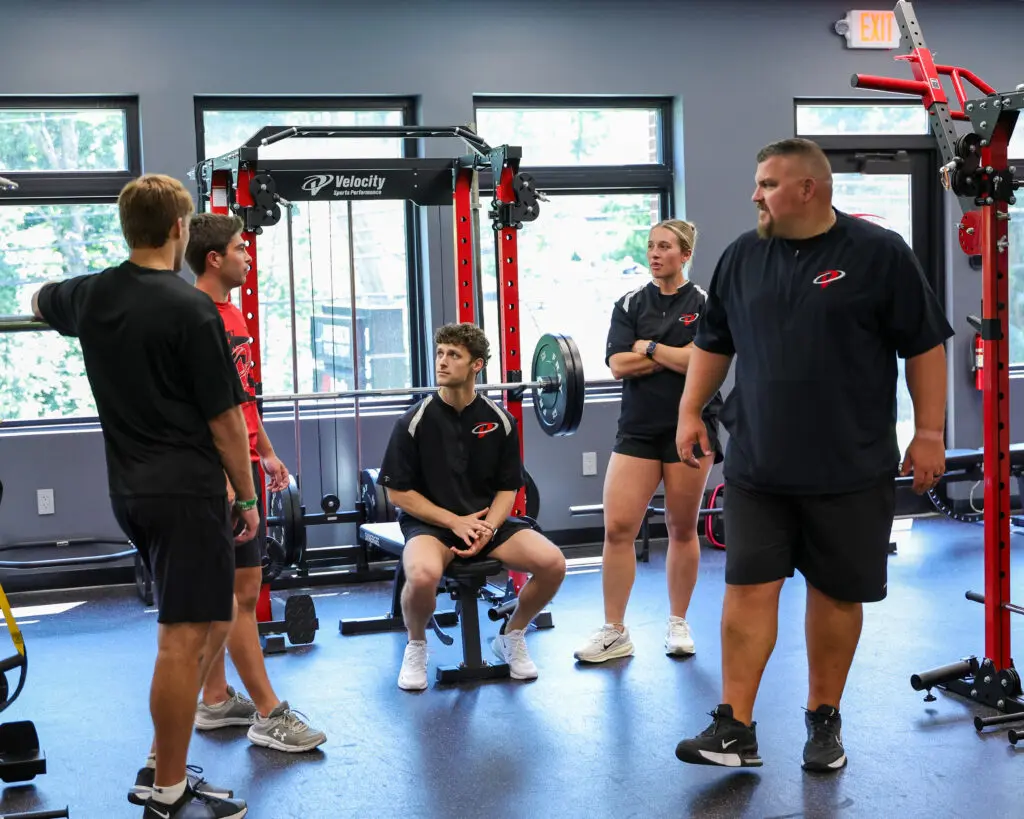
Sometimes strength means pushing through a challenging workout. Other times, it means recognizing that you need support.
Knowing the difference matters.
Lean on the People Around You
One of the most overlooked parts of resilience is having a strong support system.
Athletes often believe they need to handle everything themselves.
But nobody develops physically or mentally without help.
Think about the people who contribute to your growth:
- Coaches
- Teammates
- Parents and family
- Friends
- Teachers and mentors
These relationships become even more important during difficult times.
Research involving Olympic champions found that perceived social support was one of several important factors associated with resilience under pressure (Fletcher & Sarkar, 2012).
In simple terms:
Being resilient doesn’t mean doing everything alone.
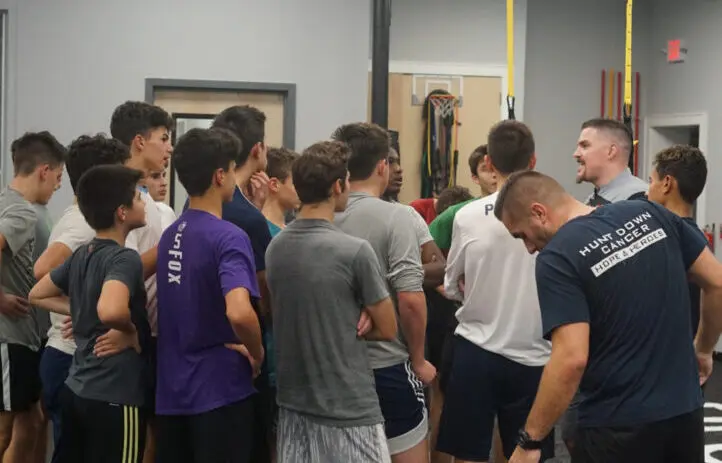
Sometimes the strongest thing an athlete can do is have an honest conversation with someone they trust. And sometimes supporting someone else means simply being there to listen. You don’t always need the perfect words. You don’t always need to fix the situation.
Being present matters. Strong teams aren’t built through training alone. They’re built through the relationships athletes create with one another.
Focus on Small Steps Forward
When adversity hits, it’s easy to become overwhelmed by the bigger picture.
Athletes want immediate answers.
They want to recover from injuries quickly. They want their confidence back after a bad performance. They want difficult situations to return to normal. But progress rarely happens all at once.
A better approach is focusing on manageable steps.
For example:
- After a poor performance, identify one thing to improve at practice
- During injury recovery, focus on the next rehabilitation milestone
- When confidence drops, return to familiar routines and achievable goals
- During personal challenges, focus on manageable daily responsibilities while making time for support and recovery
Research on psychological resilience highlights motivation, confidence, and focus as factors that can help athletes respond to stressful situations (Sarkar & Fletcher, 2014).
Small improvements may not seem significant in the moment.
But over time, they can help rebuild confidence and a sense of direction.
Remember:
You don’t have to figure everything out today. Focus on the next step.
And when the challenge involves grief or loss, moving forward doesn’t mean forgetting what happened.
It means finding a way to continue living while still honoring what matters to you.
Build Resilience Through Everyday Habits
Resilience isn’t only developed when something goes wrong.
It’s also influenced by the habits and relationships you build every day.
Just like strength, speed, and power, the mental skills that support resilience can improve with consistent practice.
Some useful habits include:
- Setting realistic goals
- Maintaining healthy sleep and recovery routines
- Reflecting on both successes and mistakes
- Practicing positive but realistic self-talk
- Staying connected with teammates and family
- Asking for help when needed
Research suggests that psychological resilience involves several interacting factors, including motivation, confidence, focus, and social support (Sarkar & Fletcher, 2014).
These qualities don’t develop overnight.
They grow through experience, practice, and guidance.
And when life becomes difficult, healthy routines can provide a sense of stability.
One important reminder:
Resilience isn’t about constantly pushing harder. Sometimes the right response is to rest, recover, or ask for support.

Remember That Adversity Doesn’t Define You
Athletes often connect their identity to their performance.
When they’re playing well, they feel confident. When they’re struggling, they begin questioning themselves. But one bad game doesn’t make you a bad athlete. One setback doesn’t erase years of hard work. And one difficult chapter doesn’t determine the rest of your story.
Research on self-compassion emphasizes the importance of separating personal worth from mistakes, failures, and difficult experiences (Neff, 2003).
This is an important lesson for young athletes.
Your value isn’t determined by:
- Your statistics
- Your playing time
- Your wins and losses
- Your physical abilities
- Other people’s expectations
Those things may be part of your athletic experience.
But they aren’t everything that makes you who you are.
Sports should help develop better athletes.
More importantly, they should help develop better people.
Common Mistakes When Dealing With Adversity
1. Trying to handle everything alone
Having support doesn’t make you less independent.
Talking to coaches, family, friends, or a mental health professional can help you work through difficult situations.
2. Expecting immediate progress
Whether you’re recovering from an injury, rebuilding confidence, or dealing with personal loss, progress takes time.
Not every day will feel better than the last.
And that’s okay.
3. Comparing your response to others
Everyone processes adversity differently.
What works for one athlete may not work for another.
Focus on what helps you move forward in a healthy way.
4. Confusing toughness with ignoring emotions
Pushing feelings aside doesn’t automatically make you mentally stronger.
Learning to recognize and manage them is an important part of resilience.
Simple Ways to Build Resilience
You don’t need a complicated mental training program to begin developing better coping habits.
Start with a few simple practices.
Daily Habits
- Focus on what you can control
- Set one realistic goal
- Maintain healthy routines
- Make time for recovery
When Things Get Difficult
- Recognize what you’re feeling
- Talk to someone you trust
- Avoid putting pressure on yourself to have every answer
- Identify one manageable next step
As a Teammate
- Check in on others
- Encourage teammates during difficult moments
- Listen without judging
- Understand that everyone handles challenges differently
The goal isn’t to eliminate adversity.
It’s to develop the habits, relationships, and perspective that help you navigate it.
Final Thoughts
Adversity is unavoidable.
In sports, in training, and in life, there will always be moments that challenge us in ways we never expected.
Some challenges teach us patience. Others test our confidence. And some remind us just how important the people around us really are.
Being resilient doesn’t mean every difficult experience has to make you stronger. It doesn’t mean moving on before you’re ready or pretending everything is fine. It means understanding that even during difficult times, you don’t have to face everything alone. You can lean on others. You can take things one day at a time. You can continue growing while still acknowledging what you’ve been through.
As the Velocity family moves forward, the lessons Jordan taught us will remain part of who we are.
His commitment to hard work, accountability, and developing good people will continue through every coach, athlete, and family who walks through our doors.
The standards he established and the relationships he built are things we can continue to carry forward.
Not because moving forward means forgetting.
But because honoring someone’s impact means remembering what they stood for and allowing those values to continue making a difference.
Because at the end of the day, the greatest impact we can have isn’t measured only by the athletes we develop.
It’s measured by the people we help them become.
As Jordan always said… NO EXCUSES, LETS EAT!
Written By:
Jake Lebovitch – Assistant Director of Performance & Content Manager
References
Fletcher, D., & Sarkar, M. (2012). A grounded theory of psychological resilience in Olympic champions. Psychology of Sport and Exercise, 13(5), 669–678. https://doi.org/10.1016/j.psychsport.2012.04.007
Neff, K. D. (2003). The development and validation of a scale to measure self-compassion. Self and Identity, 2(3), 223–250. https://doi.org/10.1080/15298860309027
Sarkar, M., & Fletcher, D. (2014). Psychological resilience in sport performers: A review of stressors and protective factors. Journal of Sports Sciences, 32(15), 1419–1434. https://doi.org/10.1080/02640414.2014.901551