
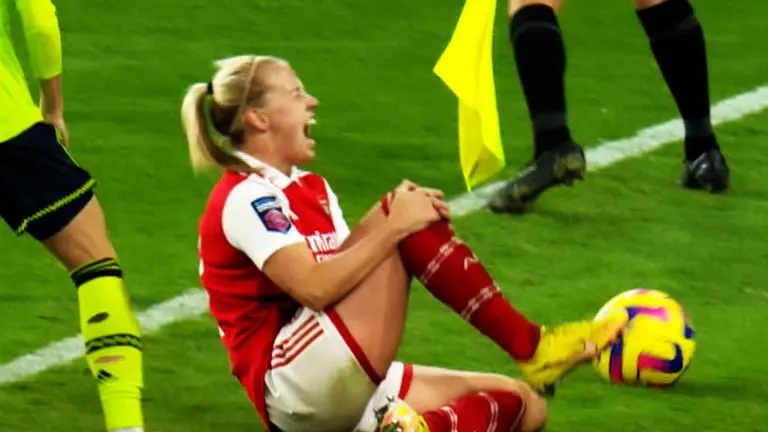
How to: Prevent ACL Injuries in Female Athletes
ACL injuries are one of the most common, & serious, setbacks in youth, high school, college, & professional sports. They’re especially prevalent in female athletes competing in sports like soccer, basketball, and lacrosse.
Research published in the American Journal of Sports Medicine has consistently shown that female athletes are 2–8 times more likely to suffer an ACL tear compared to males in similar sports, largely due to biomechanical differences (how their bodies are shaped and move) and neuromuscular differences (how their muscles are controlled and react during activity). (Hewett et al., 2006).
The good news: with the right approach to sports performance, strength training, and speed development, ACL injuries are largely preventable.
Let’s dive into it!
Why Are Female Athletes at Higher Risk?
Before we get into the prevention of ACL injuries, it’s important to understand the “why.”
Studies led by Timothy E. Hewett and colleagues have identified several key risk factors in female athletes, including:
- Greater knee valgus (knees collapsing inward during movement)
- Imbalances between quadriceps and hamstring activation
- Reduced hip strength and control
- Poor deceleration mechanics
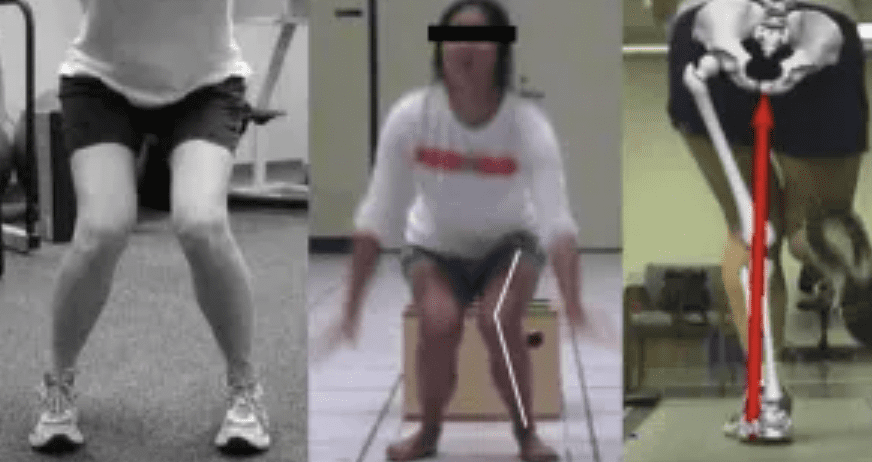
These movement patterns are especially risky in sports like soccer, basketball, and lacrosse, where athletes are constantly sprinting, cutting, and changing direction.
So, with this basis of understanding of why these injuries happen, let’s dive into a 5 step process of how we can prevent them.
- Build Strength Where It Matters Most
ACL prevention starts with proper strength training—not just lifting, but targeted strength development.
(Full blog on single leg stability – click link below)
https://velocitywestchester.com/single-leg-stability-an-athletic-development-must/: How to: Prevent ACL Injuries in Female AthletesResearch in the British Journal of Sports Medicine highlights that resistance training improves neuromuscular control and reduces injury risk in youth athletes (Faigenbaum & Myer, 2010).
Focus areas:
- Glutes (hip stability and control)
- Hamstrings (protect the knee from forward stress)
- Core (controls movement under speed)
Key exercises include:
- Romanian deadlifts (RDL)
- Split squats
- Glute bridges
- Nordic hamstring curls
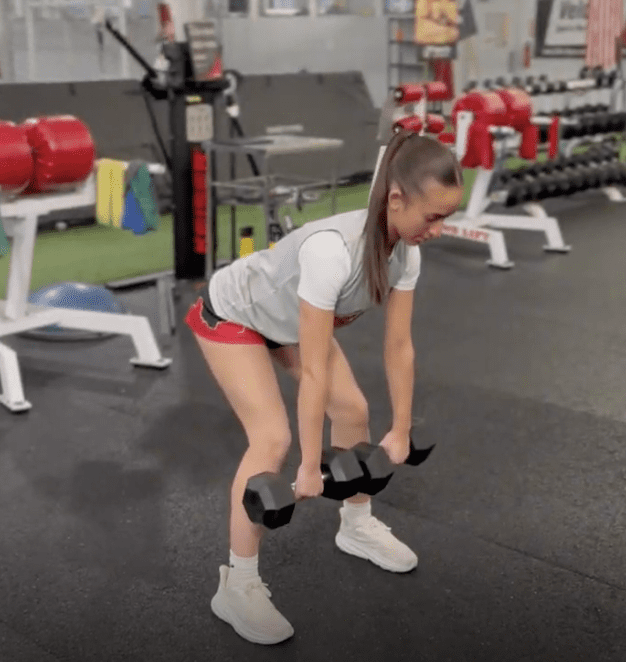
Athletes who are stronger through their posterior chain (Glutes & Hamstrings) are better able to control their body during high-speed movement.
- Train Proper Landing Mechanics
Most ACL injuries occur during non-contact movements—especially landing from a jump or a cut.
Research from the Journal of Athletic Training shows that improper landing mechanics—like knee valgus and stiff landings—significantly increase ACL injury risk (Myer et al., 2004).
Common mistakes we see:
- Knees collapsing inward
- Landing stiff-legged
- Poor balance on impact
Proper technique looks like:
- Knees tracking over toes
- Soft, controlled landings
- Hips absorbing force
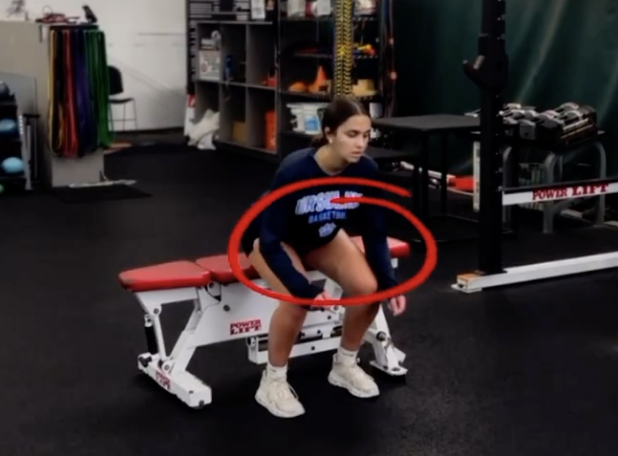
This is why coached movement training is critical—athletes need to practice safe mechanics & then learn to apply them to their sport.
- Master Deceleration and Change of Direction
In sports performance, speed gets attention—but deceleration is where many injuries occur.
(Full blog on deceleration – click link below)
https://velocitywestchester.com/would-you-drive-a-lamborghini-with-no-breaks/: How to: Prevent ACL Injuries in Female AthletesAccording to research published in the Journal of the American Academy of Orthopaedic Surgeons, non-contact ACL injuries frequently happen during rapid stopping and cutting movements (Griffin et al., 2006).
Think about a lacrosse or soccer athlete:
- Sprint → sudden stop → cut → re-accelerate
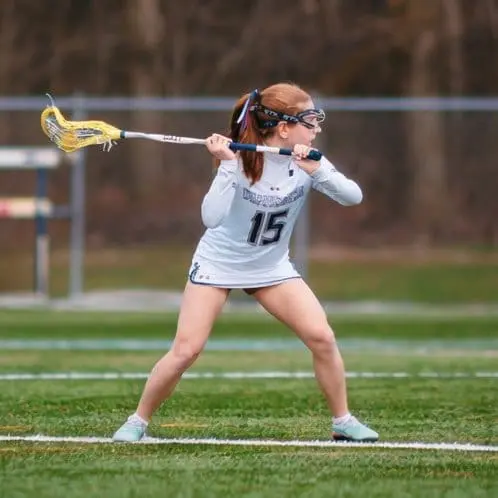
If an athlete can’t control that stop, the knee absorbs excessive force.
Training should include:
- Deceleration drills
- Controlled stopping mechanics
- Change-of-direction work at game speed
This is a core component of effective speed training and athletic development & its exactly how we apply it here at Velocity Sports Performance.
- Don’t Skip Warm-Ups (Seriously)
Structured warm-up programs are one of the simplest and most effective injury prevention tools.
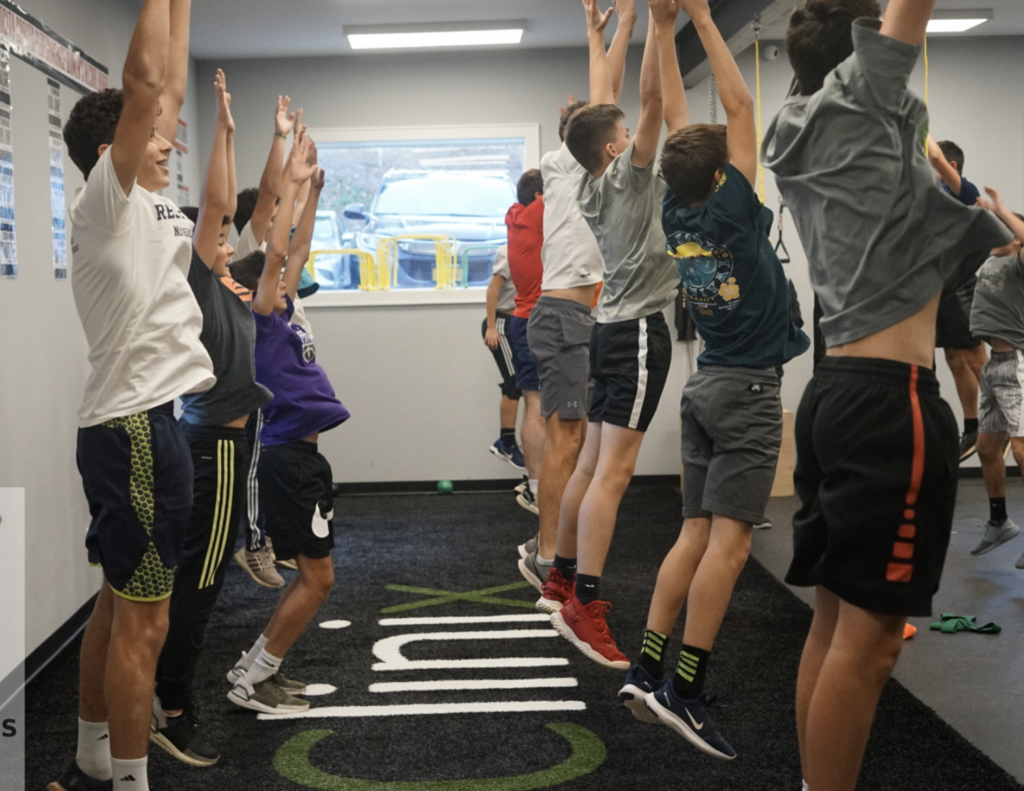
Programs like FIFA 11+ have been shown to significantly reduce lower-body injuries in youth soccer players, according to research in the American Journal of Sports Medicine (Silvers-Granelli et al., 2015).
A proper warm-up should include:
- Dynamic movement
- Strength activation
- Plyometrics
- Agility work
The goal isn’t just to warm up—it’s to prepare the body for the demands of the game.
- Train Year-Round, Not Just In-Season
One of the biggest mistakes athletes make is only focusing on performance during their season.
(Full blog on in-season training – click link below)
https://velocitywestchester.com/dont-want-to-lose-your-off-season-gains-when-they-matter-most/: How to: Prevent ACL Injuries in Female AthletesResearch supports that consistent, long-term neuromuscular and strength training is key to reducing injury risk (Mandelbaum et al., 2005).
Injury prevention happens before the season starts, through:
- Off-season strength training
- Speed and agility development
- Movement mechanics work
Athletes who train year-round are not only safer—they become stronger, better, and faster.
Where a Return-to-Play Program Fits In
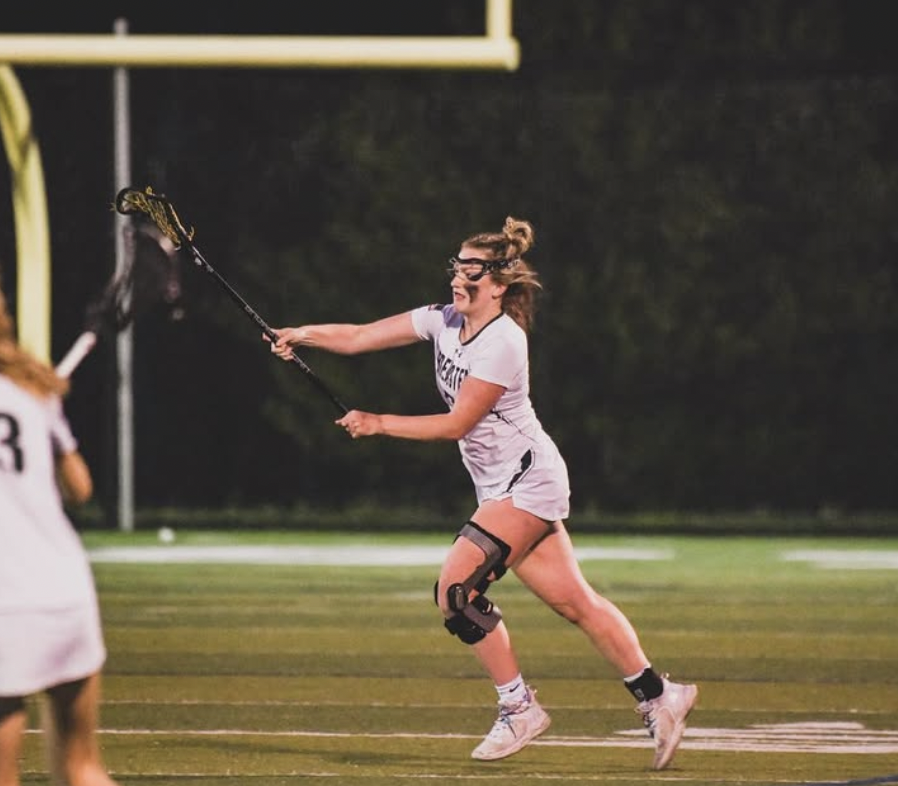
For athletes coming back from injury, prevention becomes even more critical.
A structured RTTP (Return to Play Program) helps ensure athletes regain:
- Strength symmetry
- Explosiveness
- Proper movement mechanics
Research consistently shows that inadequate rehabilitation and premature return to sport increase the risk of re-injury—especially in ACL cases.
A well-designed RTTP bridges the gap between rehab and full sports performance, helping athletes safely return to competition.
(Full blog on in-season training – click link below)
Final Thoughts
ACL injuries are serious—but they’re not inevitable.
With the right training approach, female athletes in sports like soccer, basketball, and lacrosse can:
- Reduce injury risk
- Improve performance
- Build long-term durability
It comes down to training smarter:
- Get stronger
- Move better
- Train with purpose
Because the goal isn’t just to play—it’s to stay on the field.
So… what are you waiting for? See ya in the gym!
Written By:
Jake Lebovitch – Assistant Director of Performance & Content Manager
References
- Hewett, T.E., Myer, G.D., & Ford, K.R. (2006). Anterior cruciate ligament injuries in female athletes: Part 1, mechanisms and risk factors. The American Journal of Sports Medicine.
- Myer, G.D., Ford, K.R., & Hewett, T.E. (2004). Rationale and clinical techniques for anterior cruciate ligament injury prevention among female athletes. Journal of Athletic Training.
- Sugimoto, D., Myer, G.D., Bush, H.M., & Hewett, T.E. (2015). Effects of neuromuscular training on ACL injury rates in female athletes. British Journal of Sports Medicine.
- Griffin, L.Y. et al. (2006). Noncontact anterior cruciate ligament injuries: Risk factors and prevention strategies.Journal of the American Academy of Orthopaedic Surgeons.
- Mandelbaum, B.R. et al. (2005). Effectiveness of a neuromuscular and proprioceptive training program in preventing ACL injuries in female athletes. The American Journal of Sports Medicine.
- Faigenbaum, A.D. & Myer, G.D. (2010). Resistance training among young athletes: Safety, efficacy, and injury prevention effects. British Journal of Sports Medicine.
- Silvers-Granelli, H.J. et al. (2015). The FIFA 11+ program reduces injuries in youth soccer players. The American Journal of Sports Medicine.
