

Pull Ups: How To, Why, & When…
Have you ever seen someone doing a pull up and thought… “How do they do that?” or, “Why are they even doing that?”, maybe even “When is a good time to start implementing pull ups into my training? Am I too young?”
This blog is going to be dedicated to just that. Explaining what a pull up is, why they are incredibly useful, how to execute it properly, & when is the right time to start implementing them into your training.
Let’s dive in!
What is a pull up?
The pull-up is a closed kinetic chain, multi-joint upper-body exercise that enhances pulling strength, shoulder girdle stability, & overall performance in activities demanding high relative strength & force production.
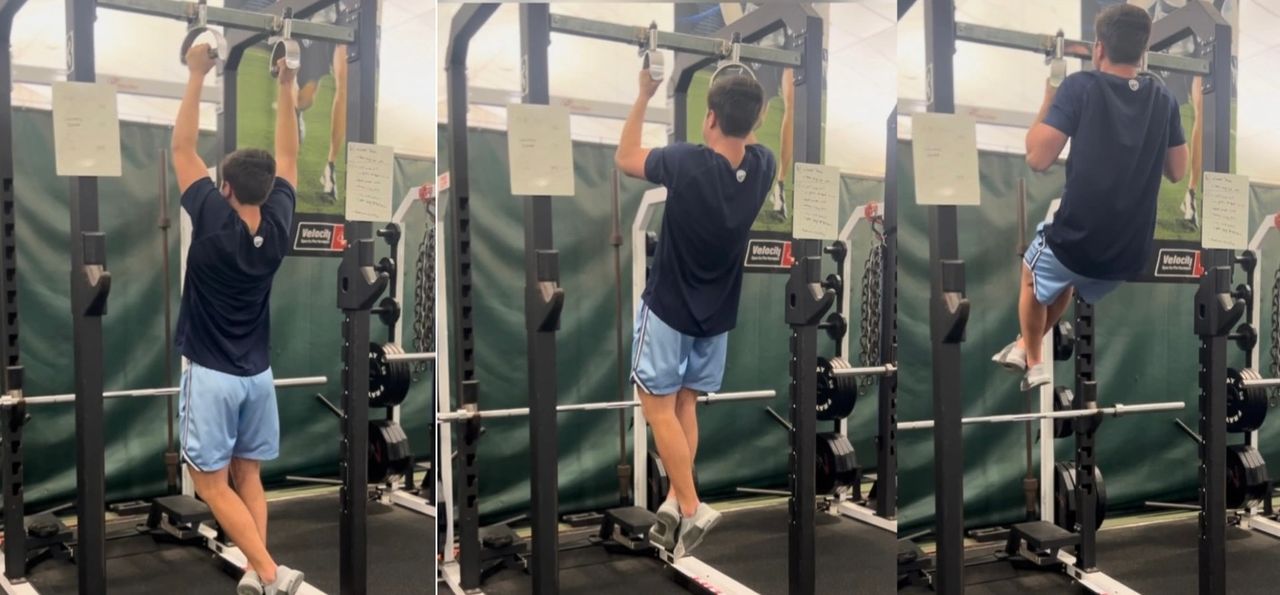
In simpler terms, it is an exercise where your hands start & stay in a fixed position, where you utilize multiple different joints & muscles to complete the movement, & that increases your overall upper body strength in “pulling” specific movements.
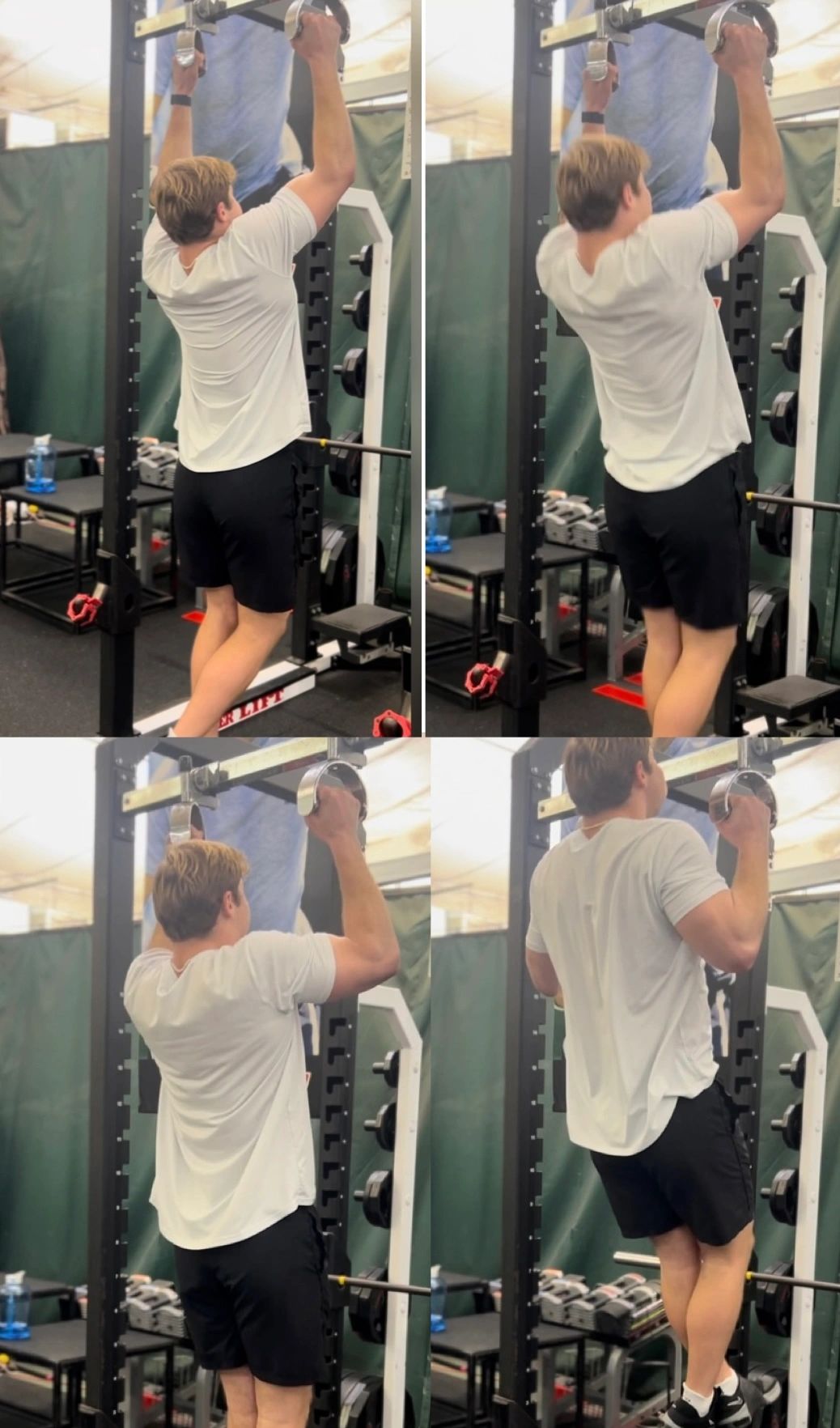
Now that we know what a pull up is, and generally why they are useful… let’s dive into the benefits a little deeper.
Why are pull ups useful?
Like we touched on before, pull ups can help increase overall upper body strength, force production, & stability. It is an exercise that requires movement in multiple directions and uses many muscles working together. This allows it to be incredibly useful for a variety of different athletic movements & activities. Pull-ups are also often used to test upper-body strength and endurance, especially for people who need a high strength-to-bodyweight ratio.
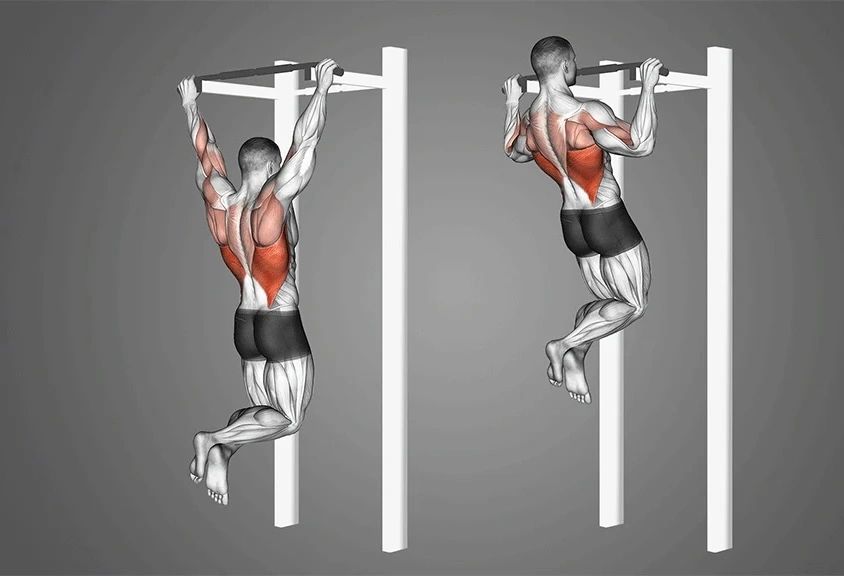
For example, in sports such as football, basketball, baseball, volleyball, or tennis, sport specific actions such as serving, throwing, hitting, spiking, blocking, & tackling require upper body force production in a variety of different positions.
In addition, when the upper body, specifically the shoulders are unstable, it can lead to significant issues such as pain with overhead movements, tightness & decreased ROM in the shoulder joint, overactive muscle activation in the pecs, lats, delts, & traps, or could even increase the risk for greater & more severe injuries to the shoulder and surrounding muscles.
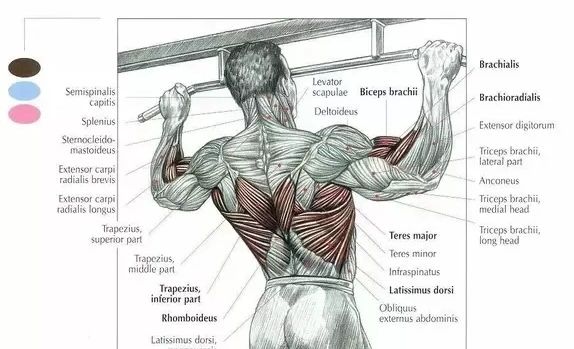
So, by working on your pull ups, you could increase the overall strength of those upper body muscles & improve the stability of that shoulder girdle. Which we now know… is incredibly important.
So… Now that we know what a pull up is, & why they are useful, how do you execute the movement properly?
How to: Pull Up Execution
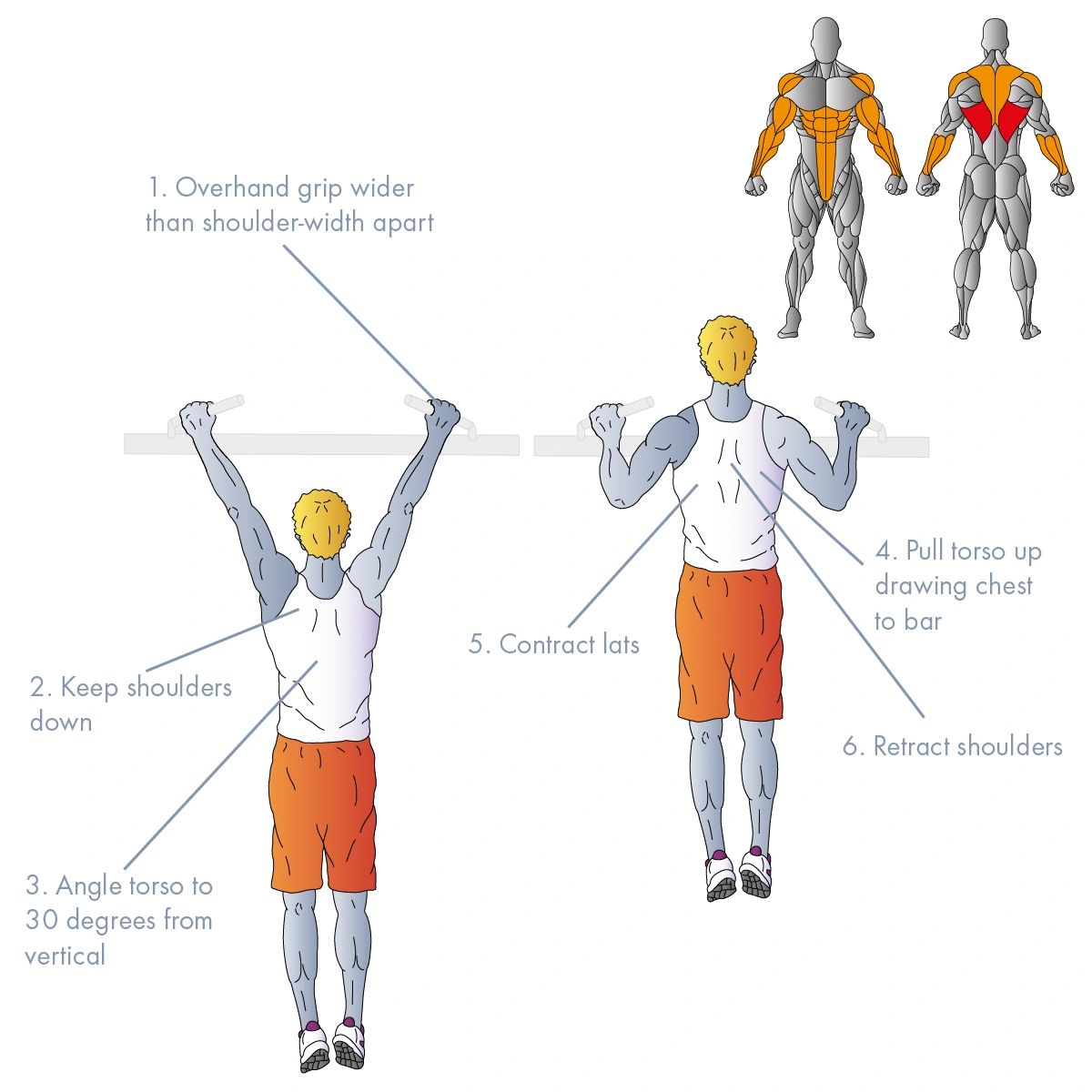
A pull-up starts with a person hanging from a bar using a grip slightly wider than their shoulders, with palms facing away. The body stays straight and stable, while muscles around the shoulders and back keep the shoulder blades in a strong position. To pull up, muscles in the upper back, shoulders, arms, and chest work together to lift the body in a straight line until the chin rises above the bar. Cues like “keep your chest up” and “pull your elbows down and in” help keep proper form. On the way down, the same muscles work in reverse to slowly and smoothly lower the body back to the starting position. Cues like “stay straight” and “lower gently” help maintain control and prevent swinging or dropping.
So, now we know what a pull up is, why they are useful, & how to execute the movement properly. The last piece of the puzzle is… when is the right time to start implementing them into your training?
Pull Up Implementation: Am I too young?
Pull ups seem like an intense & difficult exercise for people who are looking at them externally. And even for people who have tried them and can’t complete the movement correctly or even at all. This yields the question… should youth athletes not be doing them? If they aren’t strong enough to do the movement… Where do you go from there?
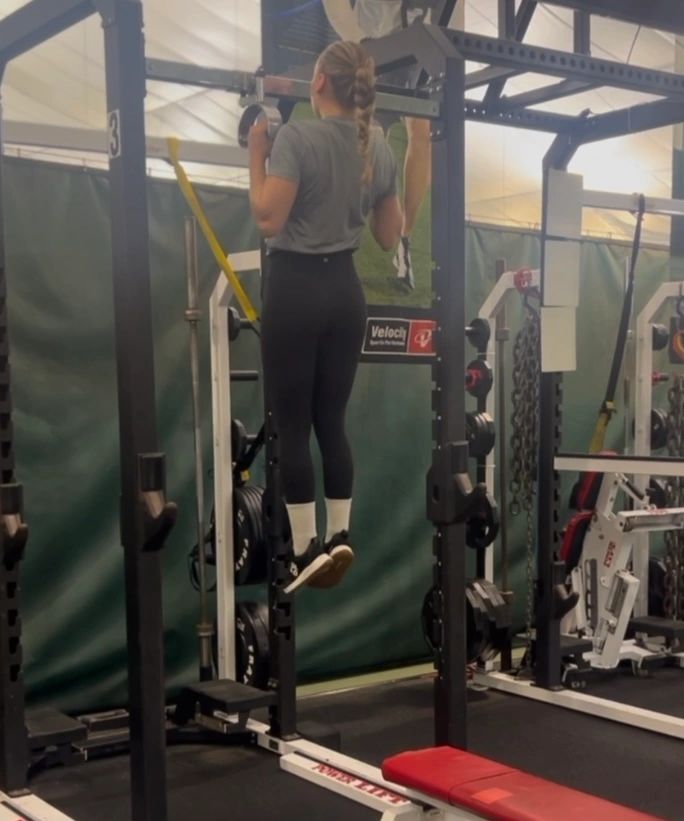
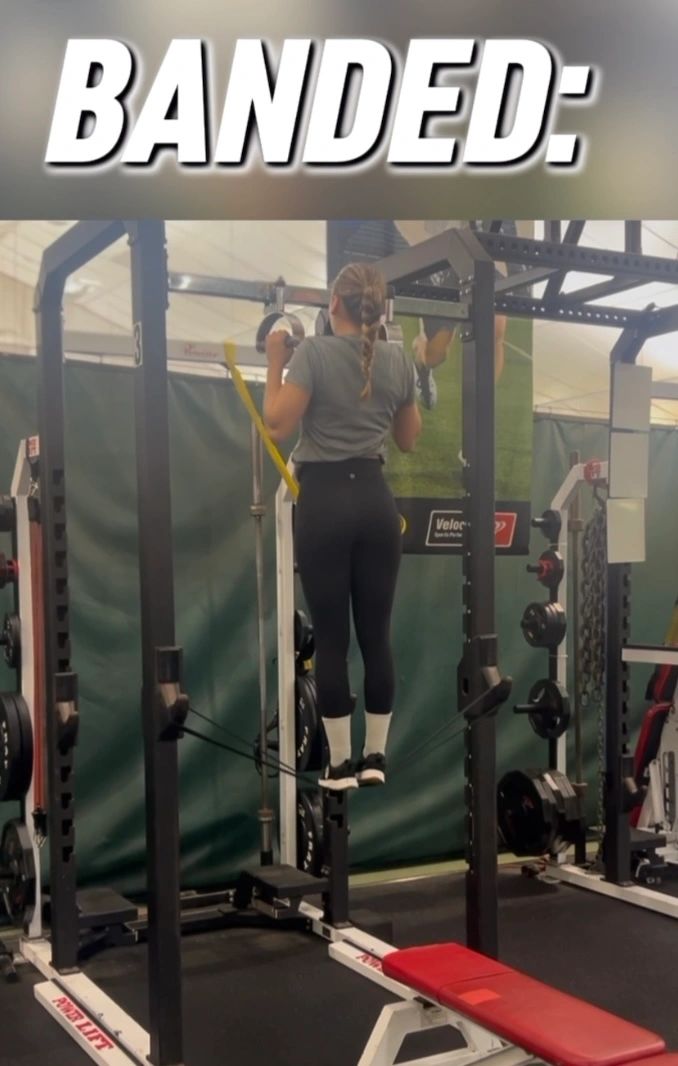
Pull ups can be done as is, but also “regressed” or “progressed” depending on skill level. For athletes who aren’t strong enough to complete a body weight pull up, band assisted pull ups are a great option. They allow you to complete the pull up exercise with the assistance of a resistance band to acclimate the level of difficulty to the skill level of the athlete.
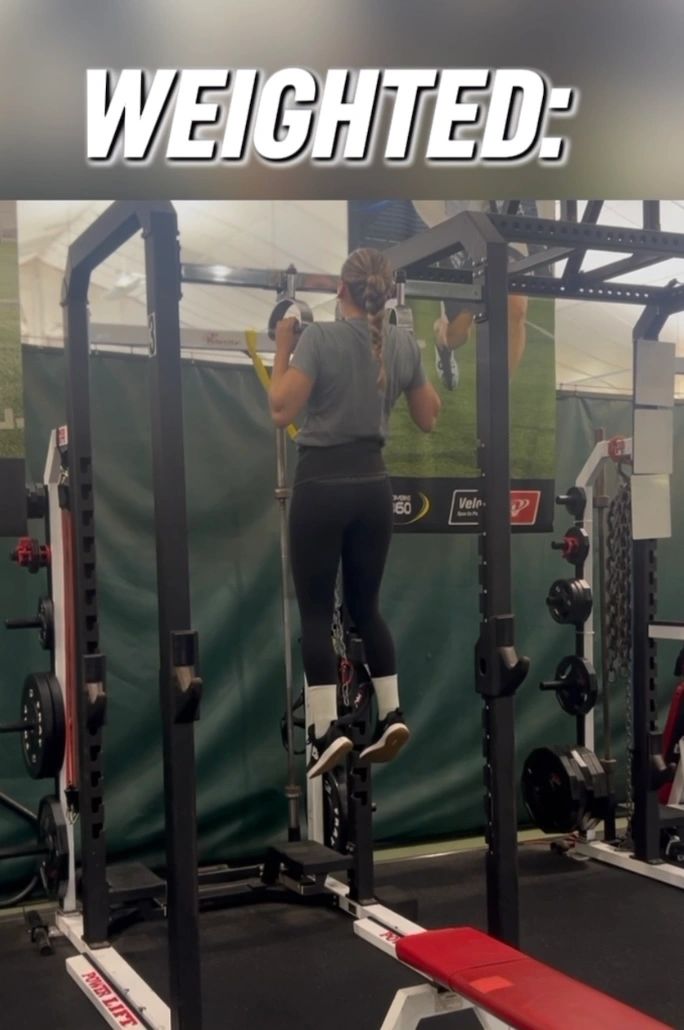
On the flip side, there are athletes who find pull ups to be easy. For these athletes, add some weight! Weighted pull ups could be a great alternative that allows you to continue performing this useful compound movement while adding the necessary amount of weight to make the exercise more difficult.
Overall, pull ups can be adjusted for all skill levels and should be done by youth, high school, college, & even professional athletes who are looking to increase upper body strength, force output, or stability.
Now what?
Now that you know what a pull up is, why they are useful, how to execute the movement properly & when the right time to start implementing them into your training is… what are you waiting for?
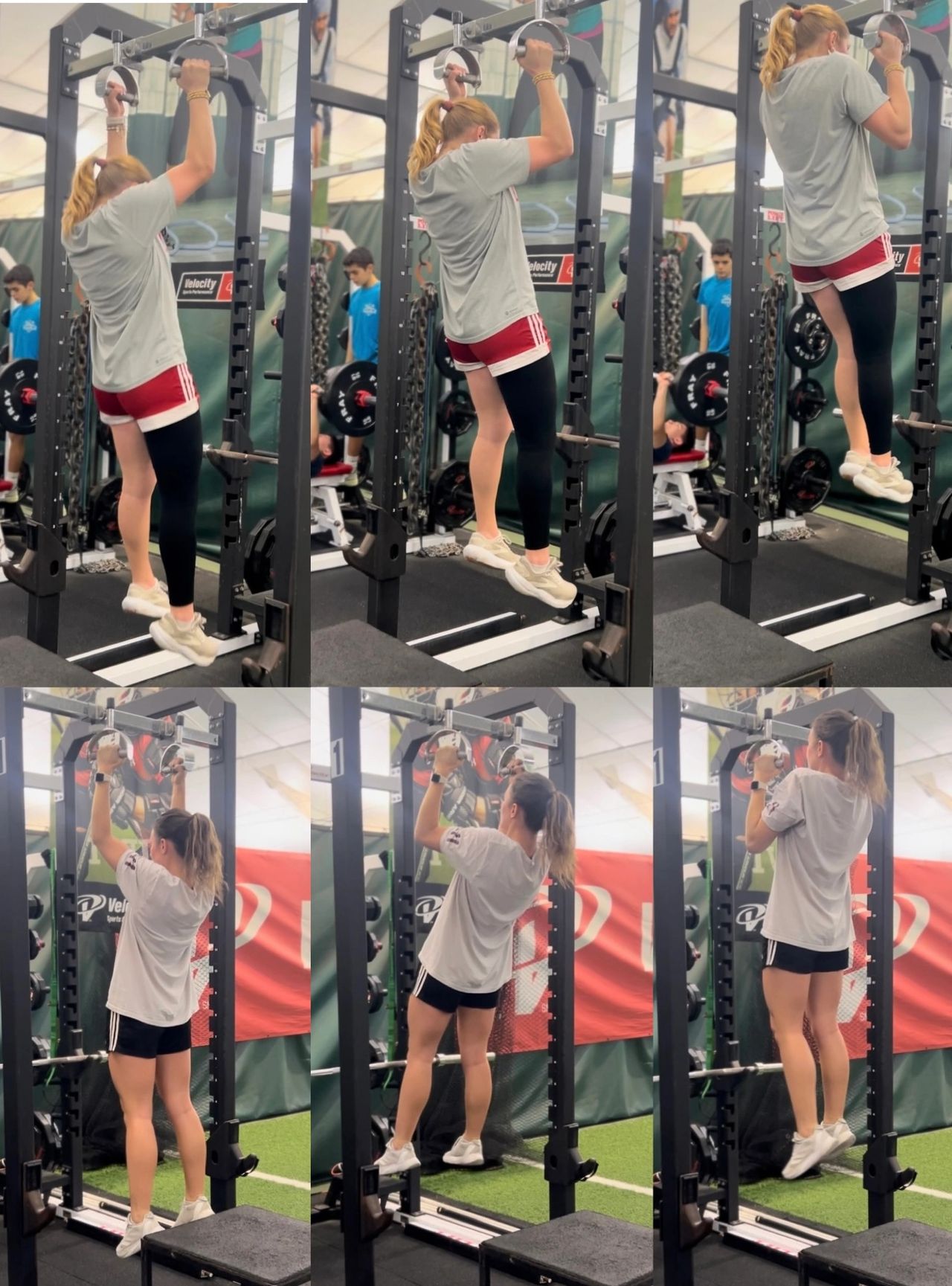
Get in the gym & get started! Try doing some pull ups! You can’t? Try some band assisted ones! Too easy? Throw some weight on it!
Curious how else we regress or progress exercises for our elite athletes? Come join us at VSP and become part of the #velocityathlete family!
See ya in the gym!
Written by:
Jake Lebovitch – Assistant Director of Performance
Sources:
1. Department of Physical Therapy and Movement Sciences. (n.d.). The pull-up : Strength & Conditioning Journal. LWW. https://journals.lww.com/nsca-scj/fulltext/2014/06000/the_pull_up.14.aspx
2. Reichert, L., Müller, T., Wieland, B., Fleddermann, M.-T., & Zentgraf, K. (2023, June 16). Upper-body isometric horizontal strength in game sport athletes. Frontiers in sports and active living. https://pmc.ncbi.nlm.nih.gov/articles/PMC10312092/#:~:text=However%2C%20in%20game%20sports%20such,athletes%20have%20different%20standing%20positions.
3. Airrosti. (2023, September 25). The importance of shoulder stability. AIRROSTI. https://www.airrosti.com/blog/importance-of-shoulder-stability/#
