

How To: Choose the Right Shoes for Training (And Why It Matters)
One of the biggest mistakes athletes make has nothing to do with their workout.
It’s what they wear on their feet.
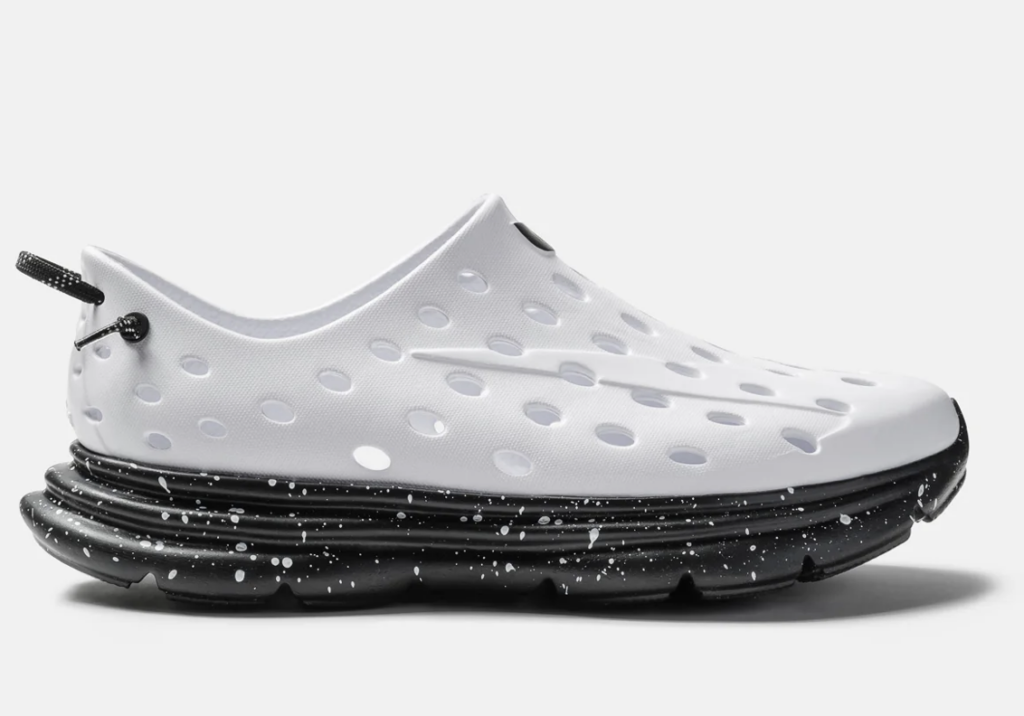
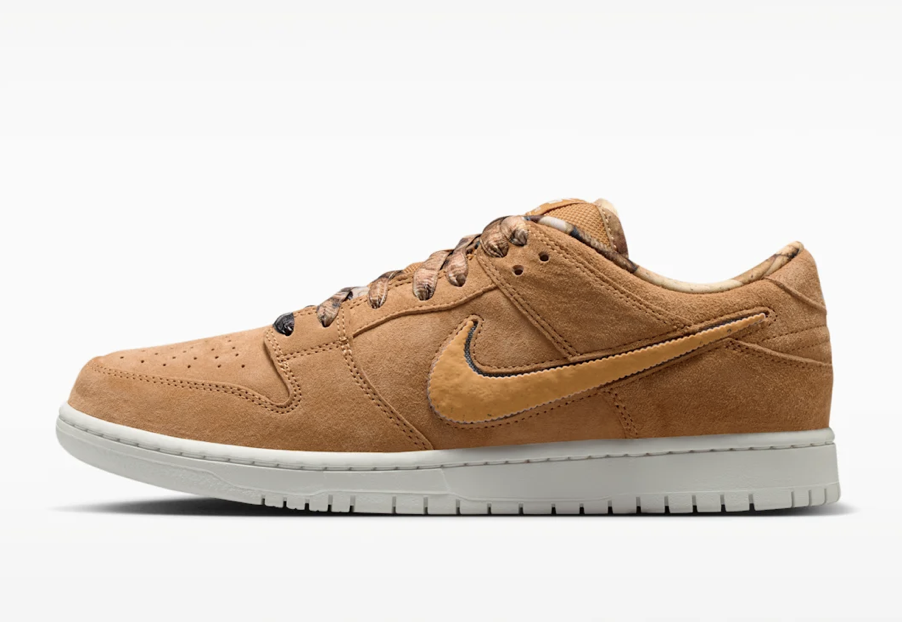
Every week, we see athletes walk into Velocity wearing running shoes with overly soft soles, basketball shoes, Nike SB Dunks, Jordan 1s, Nike Blazers, or even casual shoes like Kanes.
Here’s the thing…
None of these shoes are necessarily “bad.”
They’re just designed for different purposes.
The problem is that many athletes wear the same shoes for everything—school, hanging out with friends, games, and training—when each activity places very different demands on the body.
Whether you’re squatting, sprinting, jumping, changing direction, or landing, your footwear directly affects how efficiently you produce force and how safely you move. Research has shown that footwear influences balance, force production, landing mechanics, and lower extremity loading—all factors that contribute to both athletic performance and injury risk (Nigg, 2010; Sinclair et al., 2015).
The good news?
Choosing better footwear for training is one of the easiest ways to improve the quality of your workouts without changing your program.
Let’s dive into it!
Why Your Shoes Matter More Than You Think
Your feet are your connection to the ground.
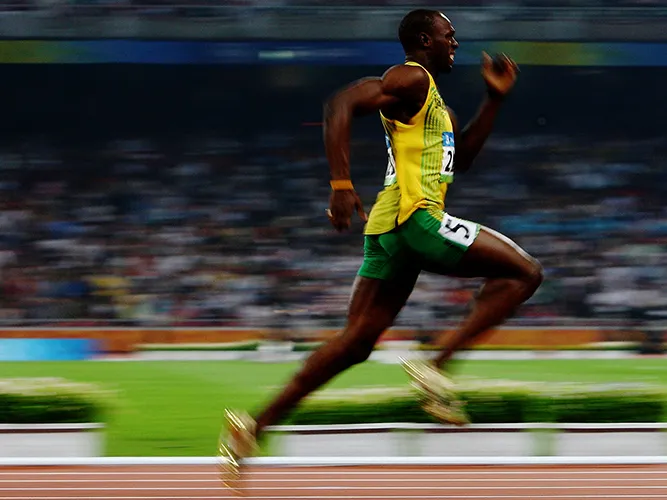
Every sprint starts there.
Every jump starts there.
Every squat starts there.
The stronger and more stable that connection is, the more efficiently your body can produce and transfer force.
When your shoes compress, wobble, or shift under load, your body has to spend energy stabilizing instead of producing force.
Think of it this way:
You wouldn’t try to build a house on sand.

Don’t expect to build strength on an unstable foundation.
The Problem with Running Shoes
Running shoes are one of the most common types of footwear we see in the gym.
The problem isn’t that running shoes are poorly made.
They’re actually excellent—for running.
They’re designed to absorb impact over thousands of steps using thick, soft foam.
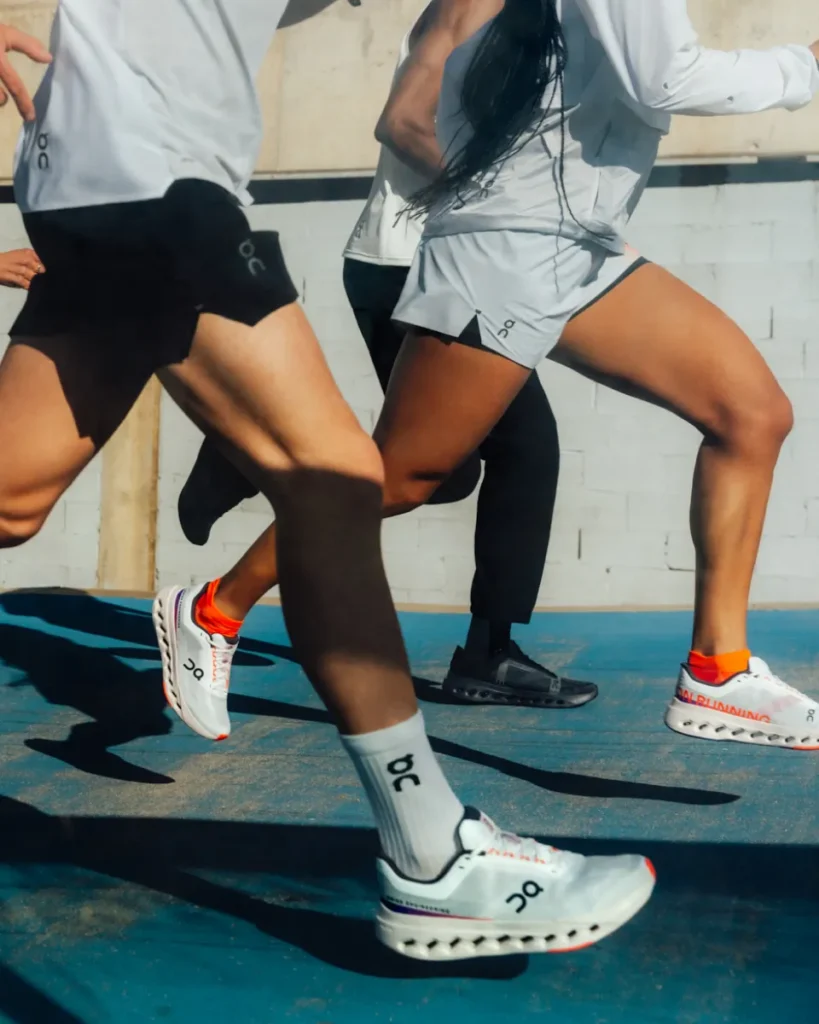
During strength training, however, that same cushioning works against you.
When you’re squatting, deadlifting, lunging, or carrying heavy weight, your foot sinks into the foam instead of creating a stable platform against the floor.
Research has shown that softer footwear can reduce force transfer and increase instability during resistance training compared to firmer footwear (Sinclair et al., 2015).
Simply put…
If your shoe compresses under load, some of your force gets lost before it ever reaches the ground.
What About Basketball Shoes?
This is another question we get all the time.
“If I play basketball, shouldn’t I train in basketball shoes?”
Not necessarily.
Basketball shoes are built for basketball.
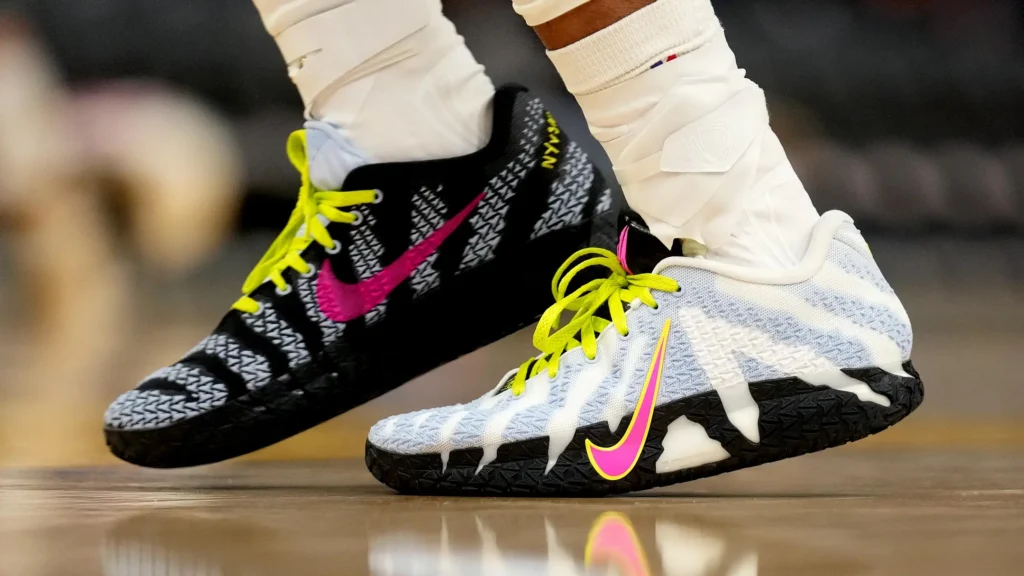
They’re designed to cushion repeated jumps, absorb hard landings, provide traction on hardwood courts, and protect your feet during competition.
Those are all great things…
During a game.
But training is different.
Many basketball shoes have thick midsoles and extra cushioning that reduce stability during heavy lifts. Some high-top models can also limit ankle mobility during movements like squats or split squats.
That doesn’t mean basketball shoes are bad.
They’re just optimized for the court—not the weight room.
What About Dunks, Jordans, Blazers & Kanes?
We also see plenty of athletes training in lifestyle shoes.
Nike SB Dunks.
Jordan 1s.
Nike Blazers.
Kanes.
These shoes weren’t designed for athletic performance.
Some don’t provide enough grip.
Others don’t support explosive movement well.
And casual shoes like Kanes simply aren’t built for sprinting, jumping, lifting, or changing direction safely.
Can you train in them?
Sure.
Will they help you perform your best?
Probably not.
What Makes a Good Training Shoe?
The best training shoes are designed to handle multiple types of movement while providing a stable connection to the ground.
Look for shoes that have:
- A relatively flat, stable sole
- Firm cushioning that doesn’t compress excessively
- Good grip and traction
- Enough flexibility for sprinting and jumping
- A secure fit that keeps your foot locked in place
There isn’t one perfect training shoe.
Many cross-training models work extremely well, including:
- Nike Metcon
- Reebok Nano
- Under Armour TriBase
- Puma Fuse
- Adidas Dropset
- New Balance Minimus Trainer
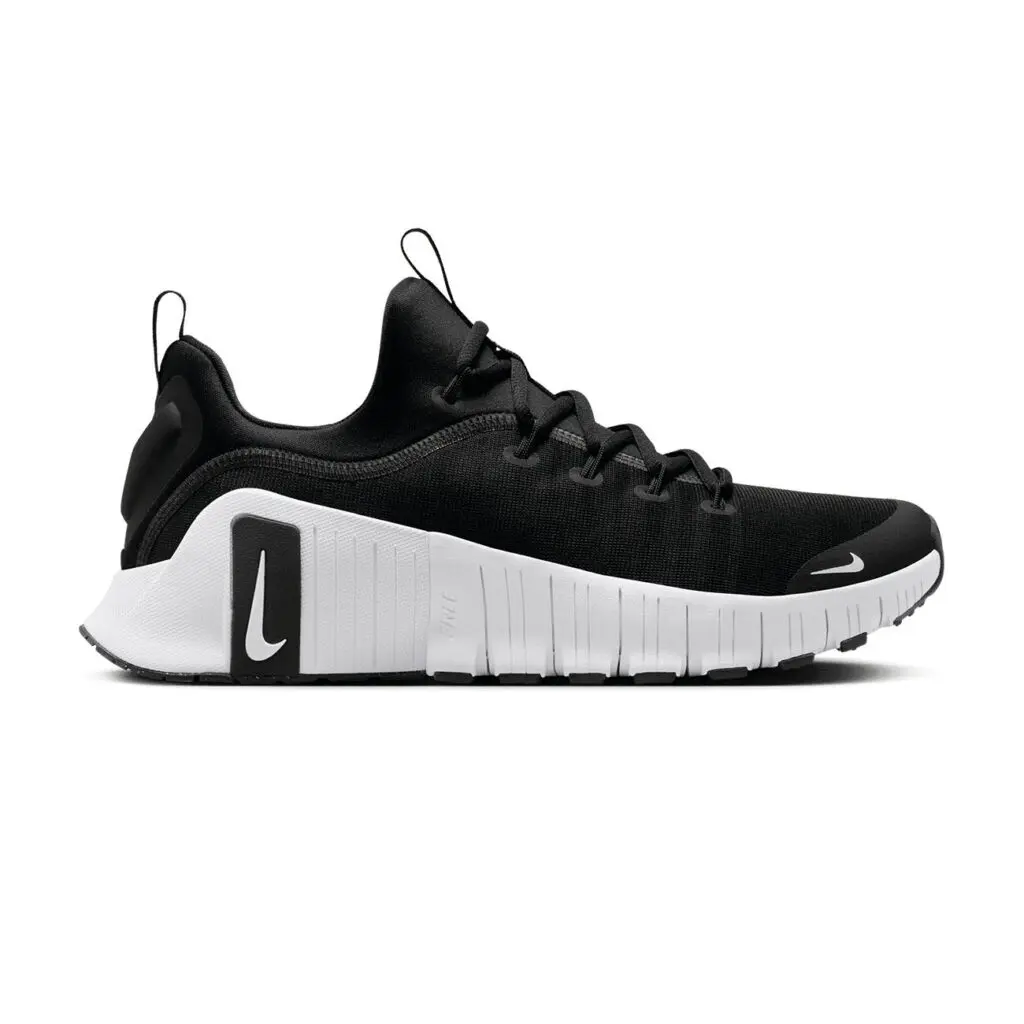
Even some minimalist shoes with firm, flat soles can be excellent choices for strength training.
The goal isn’t to buy the most expensive shoe.
The goal is to wear footwear that matches what you’re asking your body to do.
Why It Matters for Injury Prevention
Your shoes don’t automatically cause injuries.
But they can absolutely influence how your body moves.
When your feet aren’t stable, your ankles, knees, hips, and lower back often have to compensate.
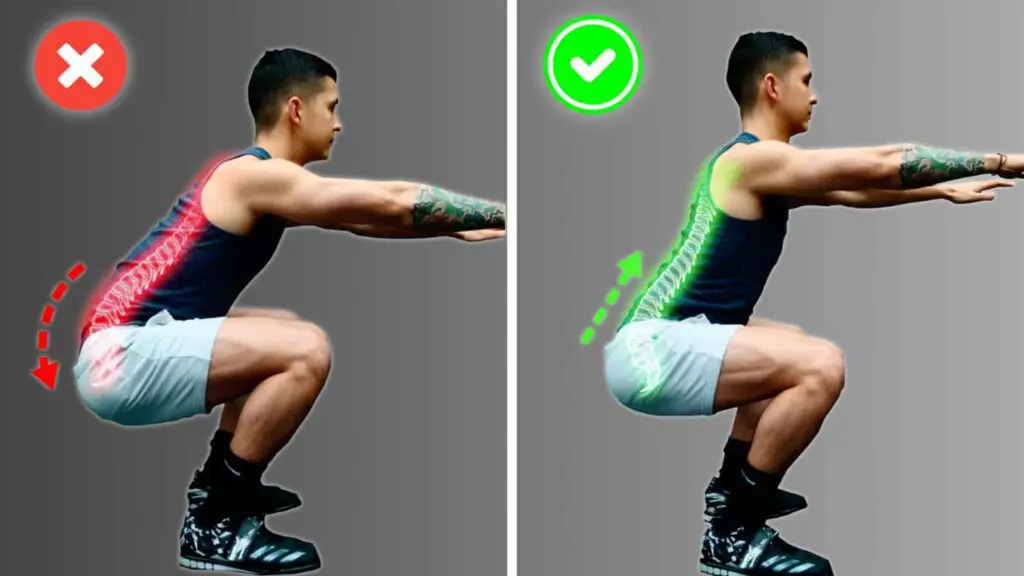
Over time, those compensations may lead to inefficient movement patterns and increased stress on the body.
Research has shown that footwear influences lower-extremity biomechanics, movement efficiency, and force absorption, making proper shoe selection an important part of training safely (Nigg, 2010).
Good shoes won’t make you injury-proof.
But they give your body a stronger foundation to move the way it’s designed.
Common Footwear Mistakes
1. Wearing running shoes for every workout
Great for running.
Not ideal for lifting.
2. Wearing basketball shoes because you’re a basketball player
Train for your sport.
Don’t train in your game equipment unless it makes sense for the session.
3. Wearing worn-out shoes
Even good shoes lose their support over time.
If the tread is gone or the midsole is breaking down, it’s probably time for a new pair.
4. Wearing casual shoes
Kanes.
Slides.
Slip-ons.
Lifestyle sneakers.
These simply weren’t designed for athletic training.
Our Recommendation at Velocity
At Velocity, we don’t expect every athlete to show up in the newest $150 pair of training shoes.
What we do want is for every athlete to wear footwear that gives them the best opportunity to train safely and perform at a high level.
If you already own a pair of cross-training shoes, that’s great.
If not, don’t stress.
There are plenty of quality options at different price points, and even some flat-soled shoes are much better choices than heavily cushioned running shoes or casual footwear.
If you’re shopping for a new pair, ask one of our coaches. We’ll gladly help you find a shoe that fits your sport, your training, and your budget.
The goal isn’t to wear a certain brand.
The goal is to wear the right tool for the job.
Final Thoughts
Your shoes are one of the few pieces of equipment you use during every single workout.
They influence how you move, how you produce force, and how stable you are throughout your training session.
The right footwear won’t magically make you faster or stronger.
But it will give you the foundation to get the most out of the work you’re already putting in.
So before you walk into your next training session, take a look at what’s on your feet.
If your goal is to become a better athlete…
Make sure your shoes are helping you—not holding you back.
Your feet are your foundation.
Treat them like it.
Written By:
Jake Lebovitch – Assistant Director of Performance & Content Manager
References
Behm, D. G., Muehlbauer, T., Kibele, A., & Granacher, U. (2015). Effects of Strength Training Using Unstable Surfaces on Strength, Power and Balance Performance Across the Lifespan: A Systematic Review and Meta-analysis. Sports Medicine, 45(12), 1645–1669.
Nigg, B. M. (2010). Biomechanics of Sport Shoes. University of Calgary.
Sinclair, J., McCarthy, D., Bentley, I., Hurst, H. T., & Atkins, S. (2015). The influence of different footwear on 3-D kinematics and muscle activation during the barbell back squat in males. European Journal of Sport Science, 15(7), 583–590.