
How To: Hydrate For A Tournament Weekend
A tournament weekend isn’t usually lost because of skill.
It’s often lost because of energy drop-offs, slower reaction time, and fatigue that builds game after game — and hydration plays a big role in all of that.
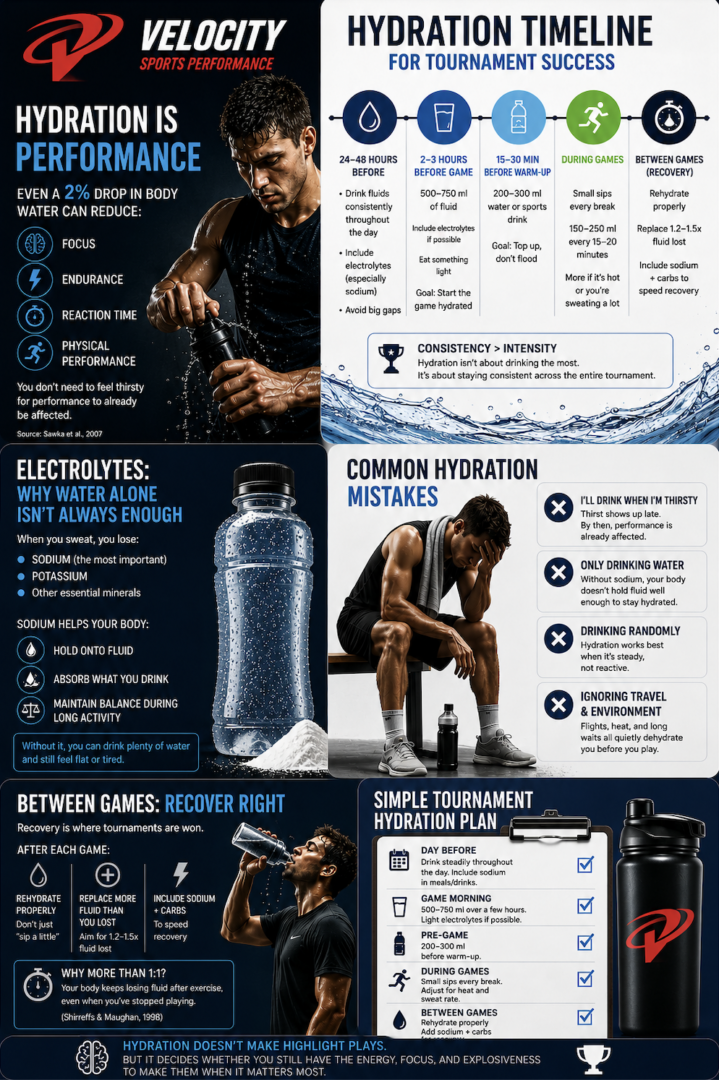
Even a small drop in body water (around 2% of body weight) can reduce endurance, focus, and physical performance (Sawka et al., 2007). You don’t need to feel “dehydrated” for performance to already be affected.
The goal isn’t just to drink water.
It’s to stay physically and mentally consistent across multiple games.
Why Hydration Actually Matters
Hydration affects more than thirst.
It directly impacts:
- How well your blood circulates oxygen
- How efficiently your muscles contract
- How fast your reaction time is
- How well your body controls heat
- How long you can maintain intensity
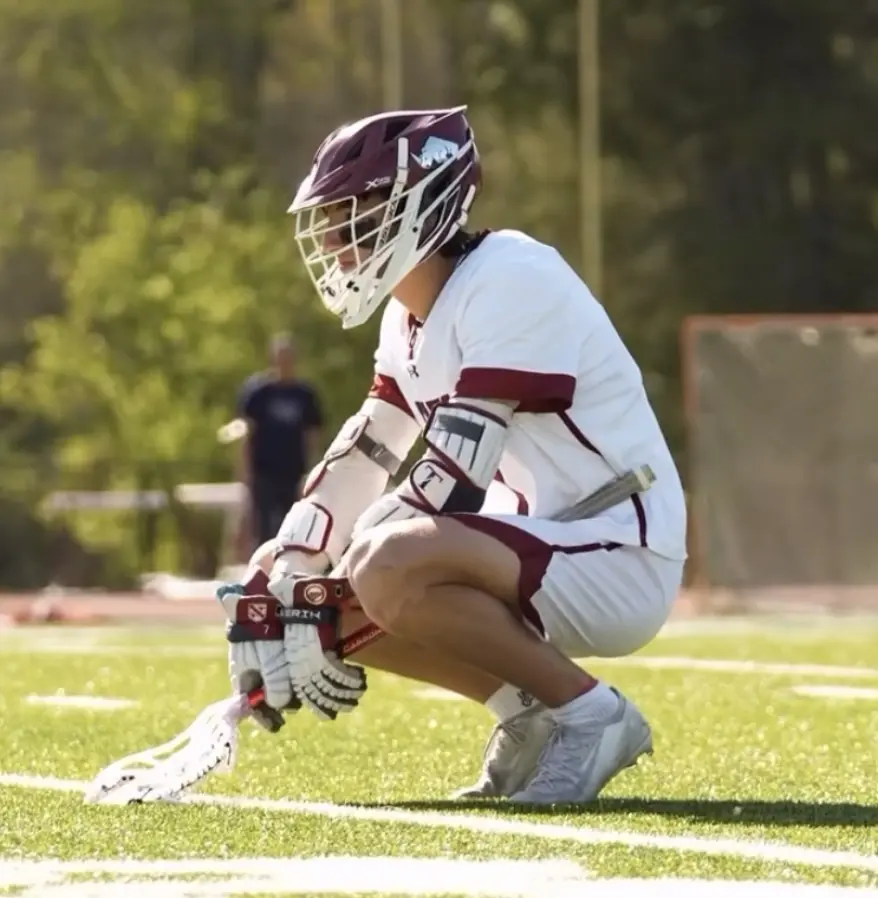
When you’re under-hydrated, everything feels slightly harder — sprinting, jumping, even decision-making.
This is why athletes often feel fine early in the day, then suddenly “drop off” later in tournaments.
It’s not random. It’s fluid loss building up over time.
The Biggest Mistake: Starting Too Late
Most athletes only start drinking water when they already feel behind.
But by that point, performance is already affected.
A better approach is simple:
You should already be hydrated before the first game starts.
24–48 Hours Before Competition
This is where performance is quietly set up.
Focus on:
- Drinking fluids consistently throughout the day
- Adding electrolytes (especially sodium)
- Avoiding big gaps where you “catch up later”
You’re not trying to overload water — you’re trying to stay steady.
Research supports that hydration works best when it’s maintained over time, not rushed right before exercise (Casa et al., 2000s).
Game Day: Simple Hydration Structure
You don’t need complicated formulas. You need timing.
2–3 hours before game
- 500–750 ml of fluid
- Include electrolytes if possible
- Eat something light alongside it
Goal: Start the game hydrated, not overloaded.
15–30 minutes before warm-up
- 200–300 ml water or sports drink
Goal: Top up, don’t flood your system.
During Games: Stay Stable
This is where most performance drop happens in tournaments.
You don’t need to drink constantly — just consistently.
Simple rule:
- Small sips every break
- Around 150–250 ml every 15–20 minutes if possible
- More if it’s hot or you’re sweating a lot
The key idea:
Don’t wait until you feel tired or thirsty.
By then, performance is already slipping (Sawka et al., 2007).
Electrolytes: Why Water Alone Isn’t Always Enough
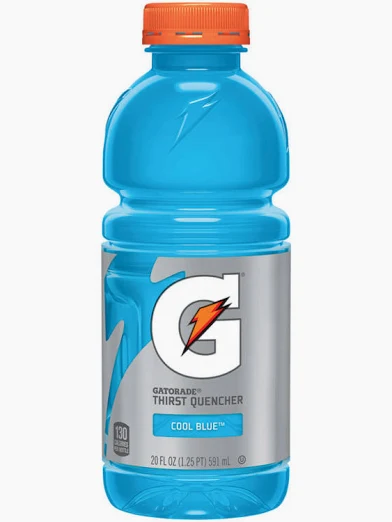
When you sweat, you lose:
- Sodium (the most important one)
- Potassium
- Small amounts of other minerals
Sodium matters most because it helps your body:
- Hold onto fluid
- Absorb what you drink
- Maintain balance during long activity
Without it, you can drink plenty of water and still feel flat or tired (Shirreffs & Maughan, 1998).
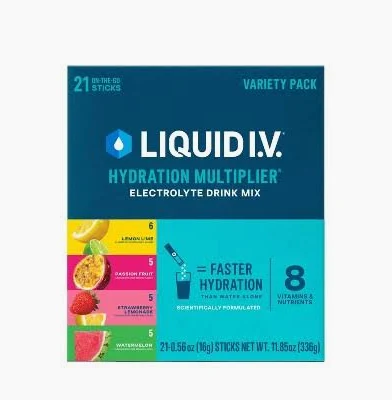
This is why sports drinks or electrolyte mixes often work better than water alone in tournament conditions.
Between Games: Where Tournaments Are Won
Recovery is just as important as performance.
After each game:
- Rehydrate properly (don’t just “sip a little”)
- Aim to replace more fluid than you lost (about 1.2–1.5x)
- Include sodium + carbs to speed recovery
Why more than 1:1?
Because your body keeps losing fluid after exercise, even when you’ve stopped playing (Shirreffs & Maughan, 1998).
If you only partially rehydrate, you start the next game already behind.
Common Hydration Mistakes
1. “I’ll drink when I’m thirsty”
Thirst shows up late. By the time you feel it, performance is already affected.
2. Only drinking water
Without sodium, your body doesn’t hold fluid well enough to stay fully hydrated (Maughan & Shirreffs, 2008).
3. Drinking randomly
Hydration works best when it’s steady, not reactive.
4. Ignoring travel and environment
Flights, heat, and long waiting periods all quietly dehydrate you before you even start playing.
Simple Tournament Hydration Plan
Keep it this simple:
Day Before
- Drink steadily throughout the day
- Include sodium in meals/drinks
Game Morning
- 500–750 ml over a few hours
- Light electrolytes if possible
Pre-Game
- 200–300 ml before warm-up
During Games
- Small sips every break
- Adjust for heat and sweat rate
Between Games
- Rehydrate properly (not just water)
- Add sodium + carbs for recovery
Final Thoughts
Hydration doesn’t make highlight plays.
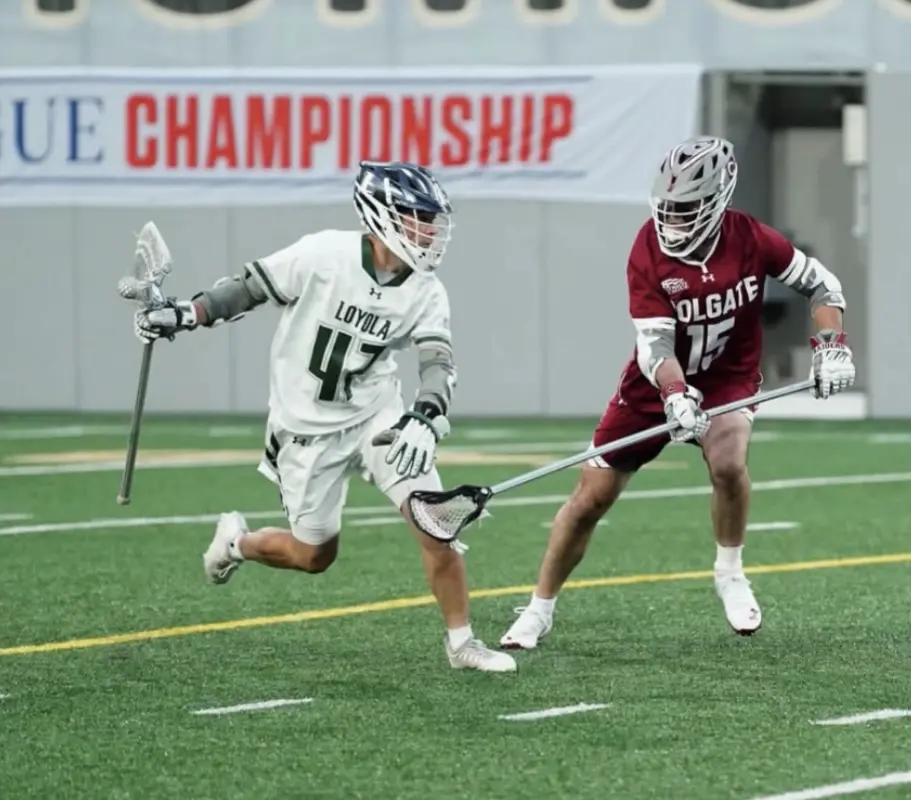
But it decides whether you still have the energy, focus, and explosiveness to make them in Game 3, Game 4, or the final moments of a tournament.
Most performance drops in tournaments aren’t sudden.
They build slowly — from small hydration mistakes repeated over hours.
The athletes who stay consistent aren’t doing anything complicated.
They’re just better at staying ahead of fatigue.
And hydration is one of the simplest ways to do that.
Written By: Jake Lebovitch – Assistant Director of Performance & Content Manager
References
Casa, D.J., et al. (2000s). National Athletic Trainers’ Association position statement: Fluid replacement for athletes.Journal of Athletic Training.
Maughan, R.J. & Shirreffs, S.M. (1998–2008). Hydration and performance in exercise. Journal of Applied Physiology / Sports Medicine literature.
Sawka, M.N. et al. (2007). ACSM position stand: Exercise and fluid replacement. Medicine & Science in Sports & Exercise.
Sawka, M.N. & Montain, S.J. (2000s). Fluid balance and exercise performance in heat. Sports Medicine literature.
Shirreffs, S.M. & Maughan, R.J. (1998). Rehydration after exercise-induced dehydration. Journal of Applied Physiology.
