

Pre-Season Training: Transitioning To Power…
Pre-Season Training: Transitioning To Power
For the spring sport athletes who have been training with us all winter… it’s just about GO TIME! Pre-season is right around the corner and with that coming down the pike, it’s a great time to emphasize how we handle pre-season training here at VSP.
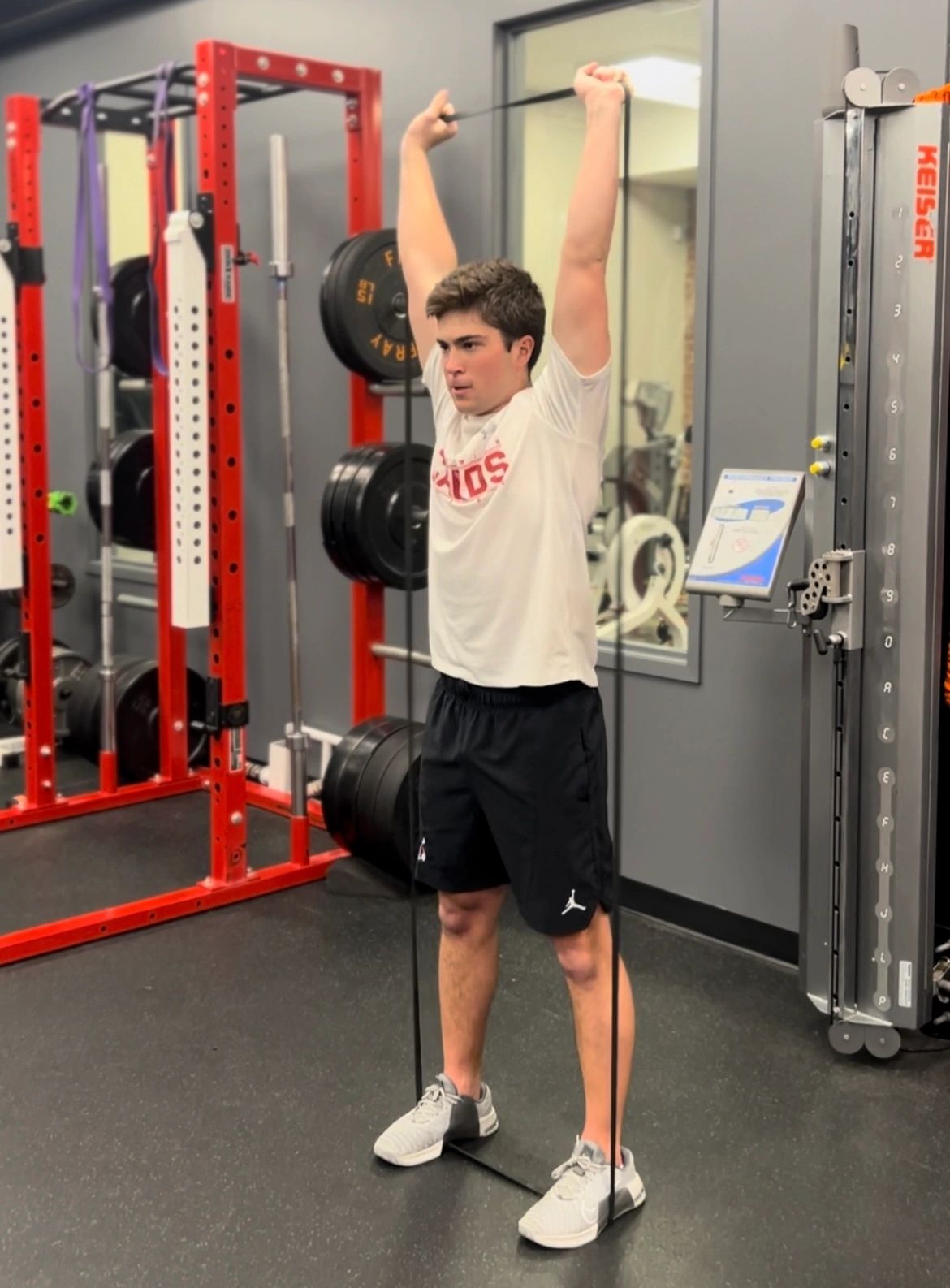
Let’s dive into it!
Progressing To Power
Depending on who you are, and what your needs have been, a lot of athletes focus on hypertrophy & strength building in the long winter months leading up to competition. Now that the start of spring seasons are right around the corner, we need to start transitioning our training focus to prioritize power, speed, & endurance.
What is power?
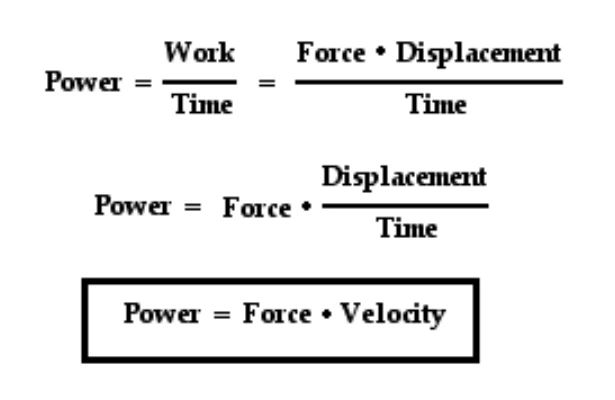
Power = Force x Velocity. Essentially, how much force can you produce in relation to how fast you can produce it. However, there are different types of power and not all sports utilize the same kind when they compete…
Types of Power:
- Alactic Power & Capacity
- Baseball, football, short duration track & field events
- Lactic Power
- Field sports (Lacrosse, soccer, etc), wrestling, tennis
- Lactic Power Capacity (Endurance)
- Field sports (Lacrosse, soccer, etc)
- Aerobic Muscular Power & Capacity (Endurance)
- Swimming, long duration track & field events
As you can see, some sports only require one specific type of power and others, like field sports, require multiple. Therefore, the way you train leading up to your season needs to be very sport specific to the demands you will need on the field.
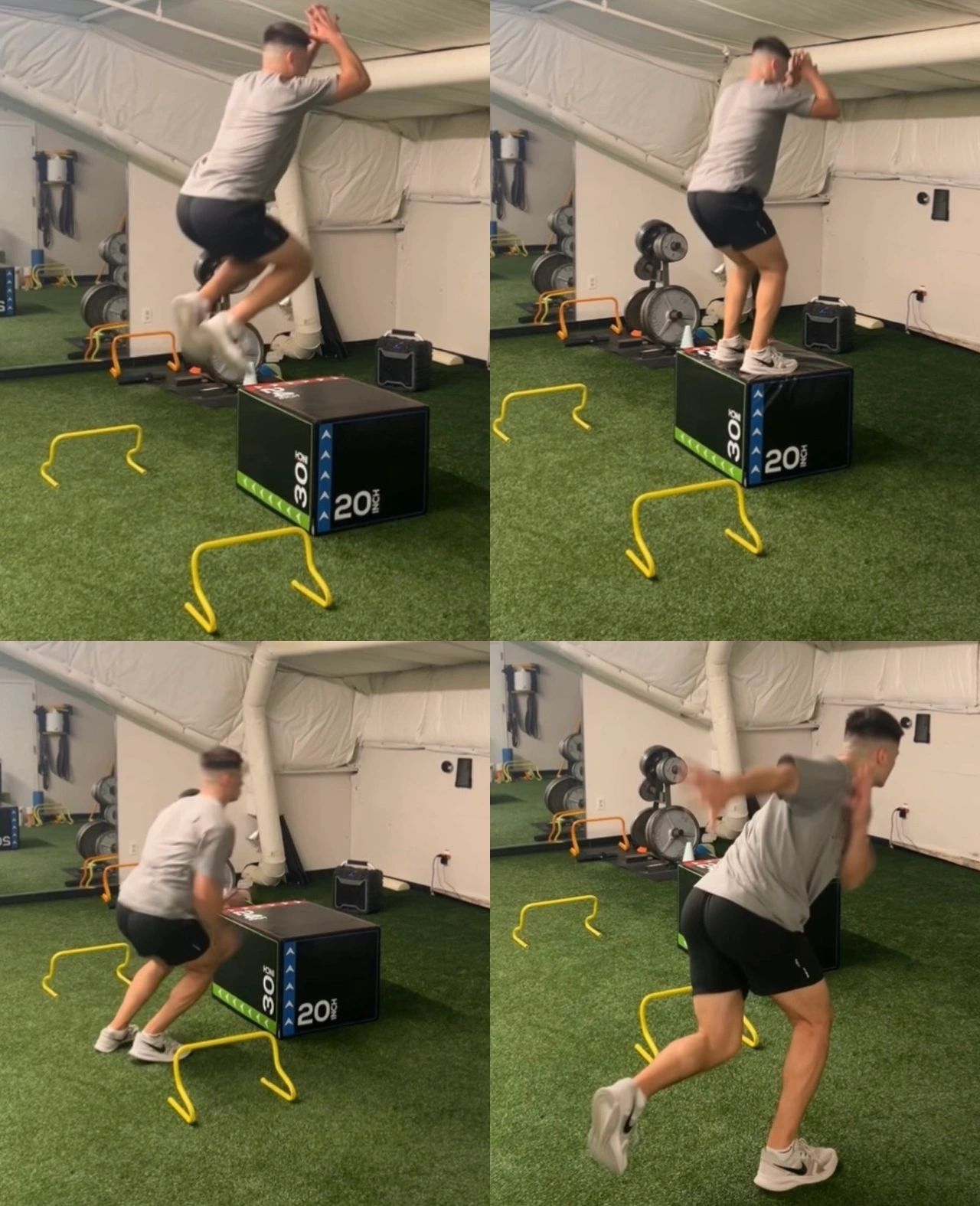
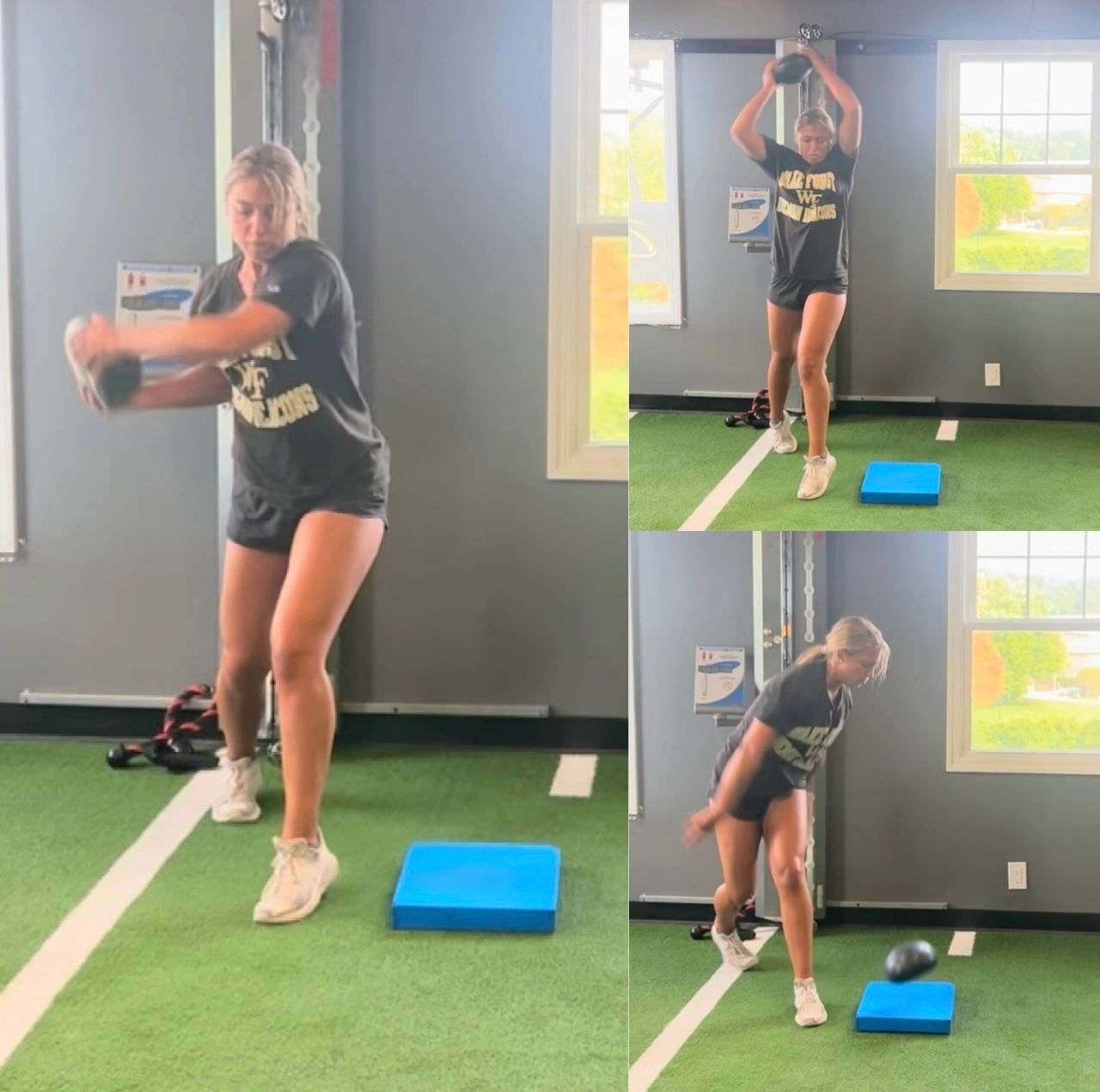
You can train power in a lot of different ways: sprinting, jumping, lifting, & med ball exercises are all examples of that. Let’s dive into some of the nuances of how we train these various types of power.
How To Train Each Type Of Power
Take a look at this chart to understand the different durations & intensities of the various types of power we train:
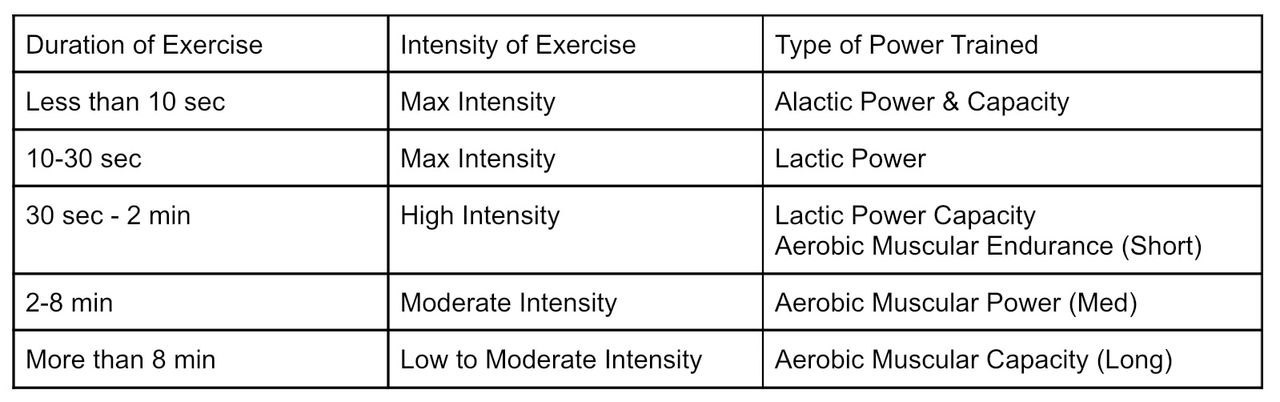
The chart above can be used as a guide when programming different sprinting or running drills, jumping drills, or lifting exercises.
However, on the lifting side of things, the amount of weight you should be using when training different types of power should be specific as well. According to the NSCA:
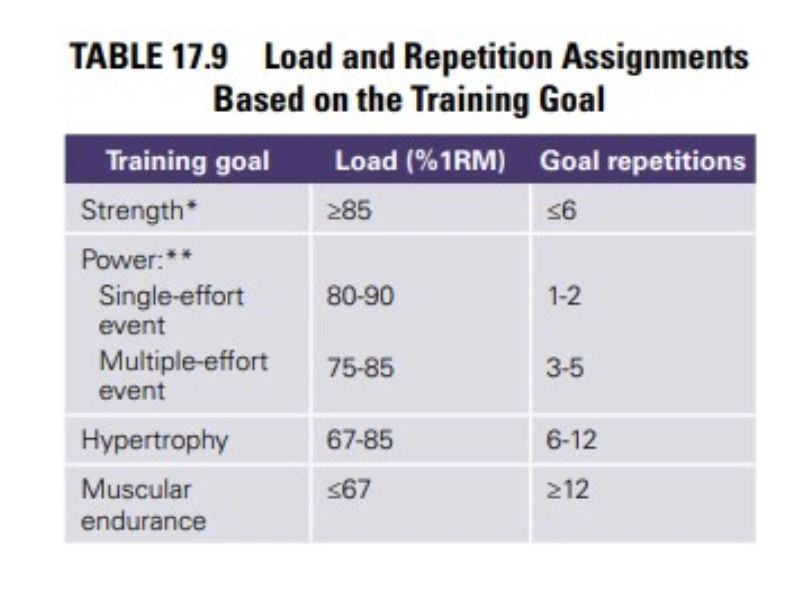
This shows that for alactic power & capacity training the load should be high at around 80-90% of 1RM, for lactic power & capacity training the load should be lower at around 75% of 1RM, & for aerobic muscular endurance the load should be the around 65% or lower.
Are You Prepared?
After hearing about the different types of power & how to train them… are you prepared? Have you had this focused type of training leading into your season? If not, come train with us at VSP & get access to our high level coaching staff who prescribe these types of training sessions for our athletes!
What are you waiting for…? See you in the gym!
Written by:
Jake Lebovitch – Sports Performance Coach & Liaison to Athletes
Sources:
- Understanding Energy Systems training. Human Kinetics. (n.d.). https://us.humankinetics.com/blogs/excerpt/understanding-energy-systems-training?srsltid=AfmBOoq49B2B1V7zyeyjUjaOObE2jSOe8qMvINwnferBWeyHT9-Zc2Bv
- Breese, J. (2023, August 6). The anaerobic lactic energy system: The ultimate guide. Strength Matters. https://strengthmatters.com/anaerobic-lactic-energy-system/#:~:text=Alactic%20means%20“without%20the%20presence,aerobic%20methods%2C%20meaning%20with%20oxygen.
- Power. The Physics Classroom. (n.d.). https://www.physicsclassroom.com/class/energy/lesson-1/power
- CSCS rep Max Programming for Strength & Power. CSCS Rep Max Programming for Strength & Power. (n.d.). https://www.themovementsystem.com/blog/cscs-program-design-chart
