

The Importance Of Training Muscular Imbalances…
Imagine playing Jenga, where one side of the tower has many pieces missing compared to the other side. The tower starts to sway, balancing precariously on a single block. If that block stays in place, the tower remains standing. But if it comes out, whether by accident or on purpose, the tower collapses.
Now, if both sides of the tower had a similar number of blocks, the risk of it falling would be much lower. This Jenga tower represents your body, and the blocks are your muscles. When you have significant muscular imbalances, your body is like that unstable tower, at risk of injury.
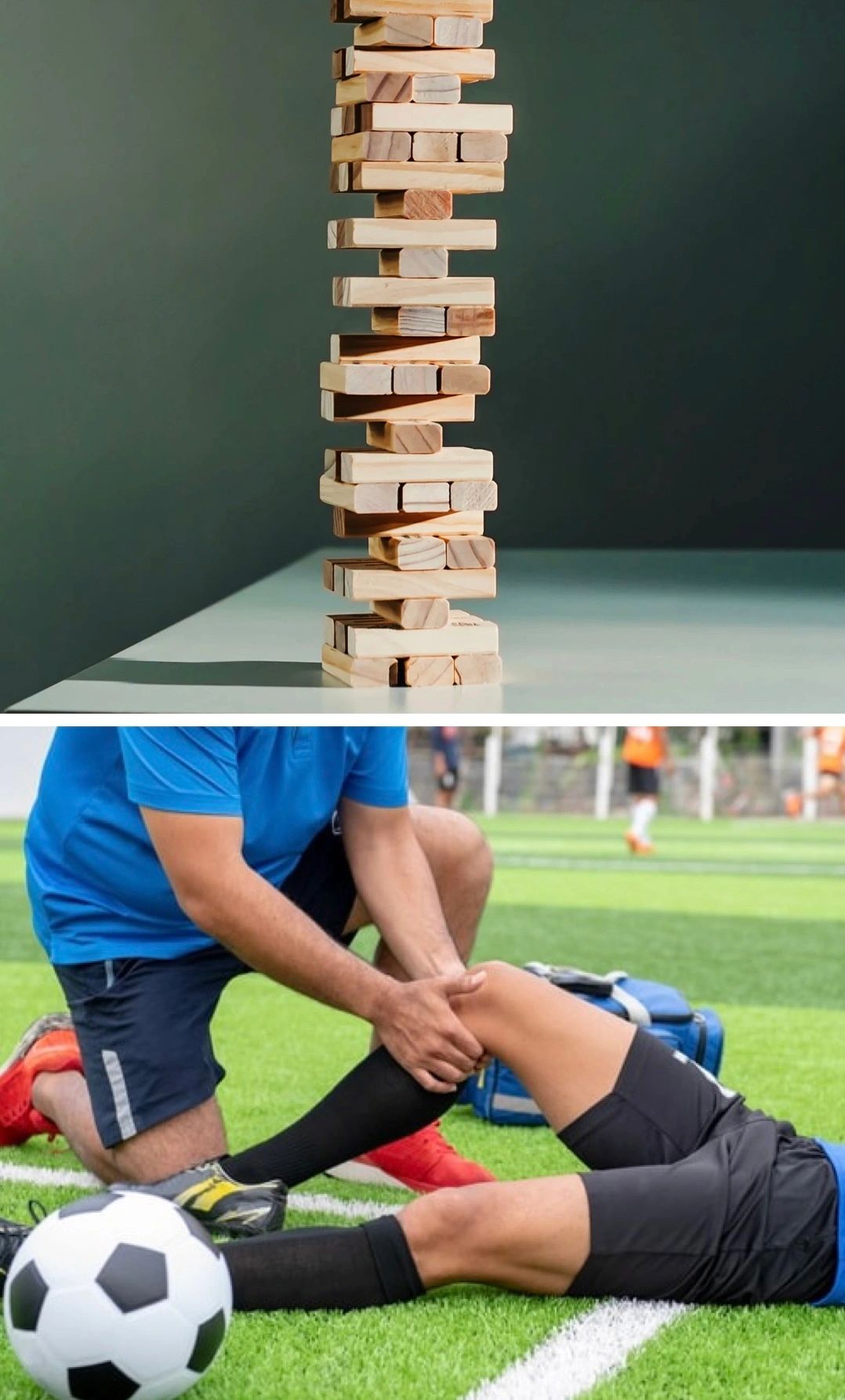
What is a muscular imbalance?
“Imbalance in muscle strength commonly refers to abnormal bilateral asymmetry (between homologous groups) and a disruption of the agonist-antagonist ratio.”
Now, let’s put this into terms that everyone can more easily understand:
A muscle imbalance usually means that one side of the body is stronger than the other, or that the muscles that work together (like push and pull muscles) aren’t balanced in strength.
Some examples of this are:
- Anterior Chain lower body muscles (such as: Quads) vs Posterior Chain lower body muscles (such as: Hamstrings)
- Anterior Chain upper body muscles (such as: Pecs) vs Posterior Chain upper body muscles (such as: Scaps/Lats)
- Right side muscles vs Left side muscles
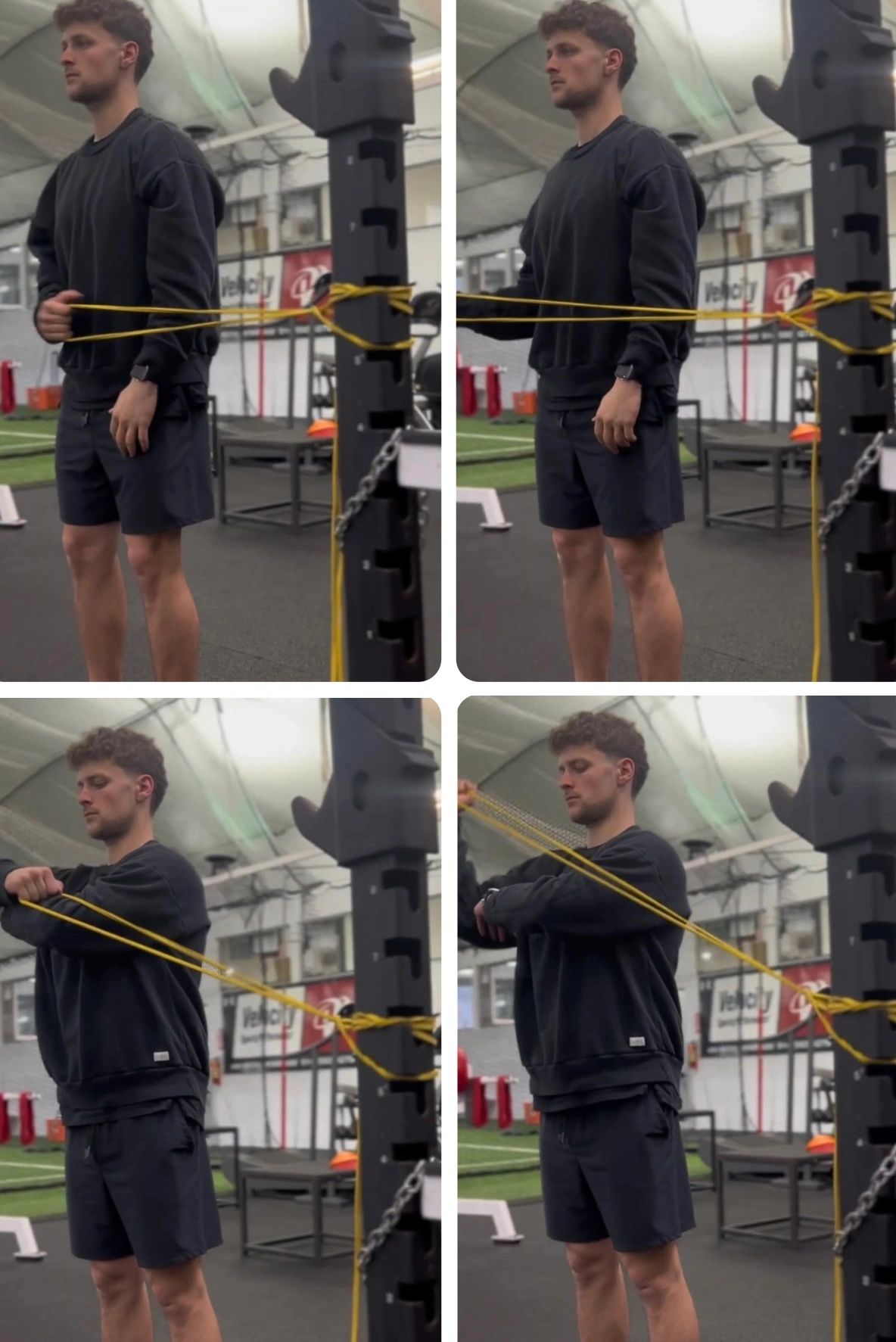
- External Rotators of the shoulder vs Internal Rotators of the shoulder
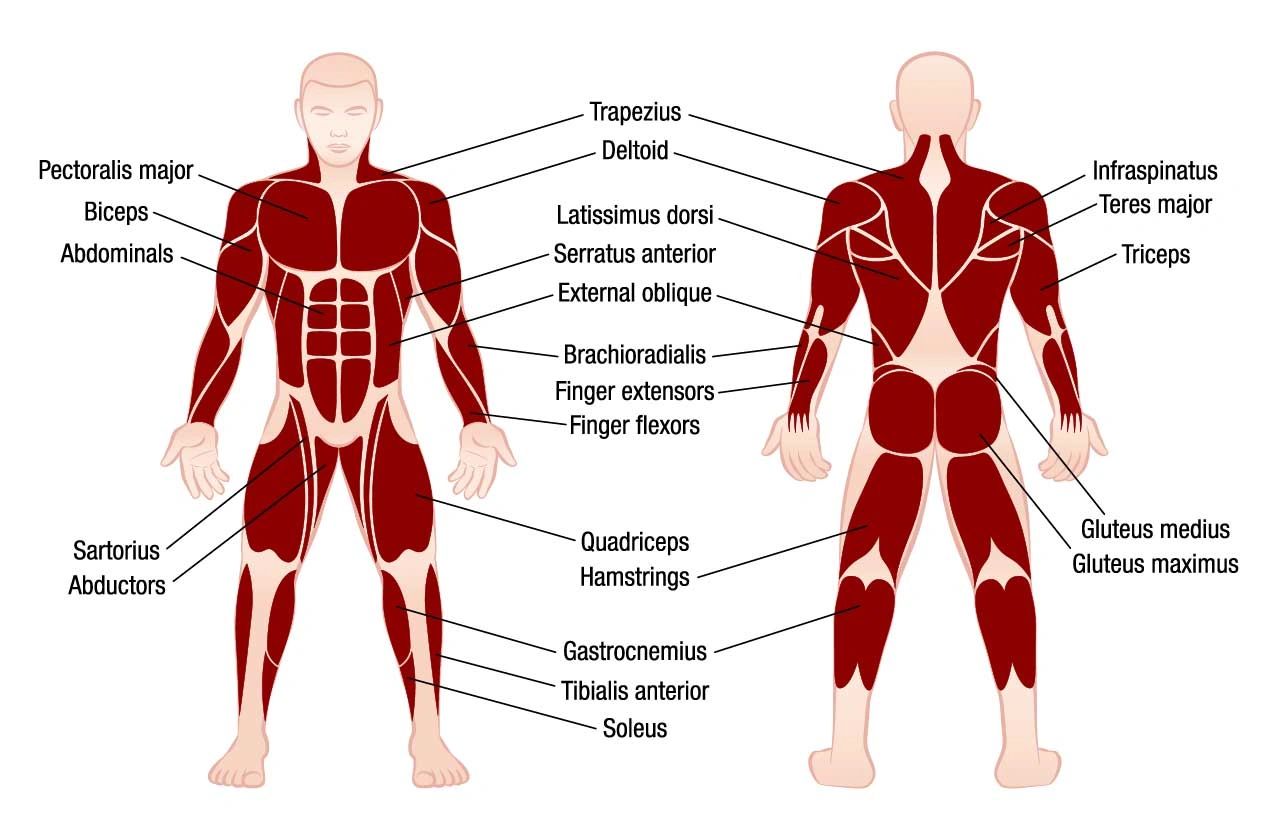
In most of these cases, one set of muscles is normally responsible for eccentric components of performance (such as decelerating) and the other set of muscles is normally responsible for concentric components of performance (such as accelerating).
Click the following link for a previous VSP blog on acceleration & deceleration: https://velocitywestchester.com/velocity-blog/f/would-you-drive-a-lamborghini-with-no-breaks
When there’s an imbalance in muscular strength between these two types, that could lead to increased risk and rate of injury in athletes who present these imbalances.
Let’s dive into some of the specific types of muscular imbalances we see often, and talk about how we screen for them in our assessment process with our athletes.
Anterior Lower Body vs Posterior Lower Body Muscular Imbalance
“An imbalance in muscle strength between anterior agonists (quadriceps) and posterior antagonists (hamstrings) in the lower limb, have been shown to be a contributing factor to non-contact injuries.”
In addition to injury prevention, there are certain sports like basketball, that require more anterior chain muscle strength and power, and there are other sports like baseball or softball that require more posterior chain muscle strength and power.
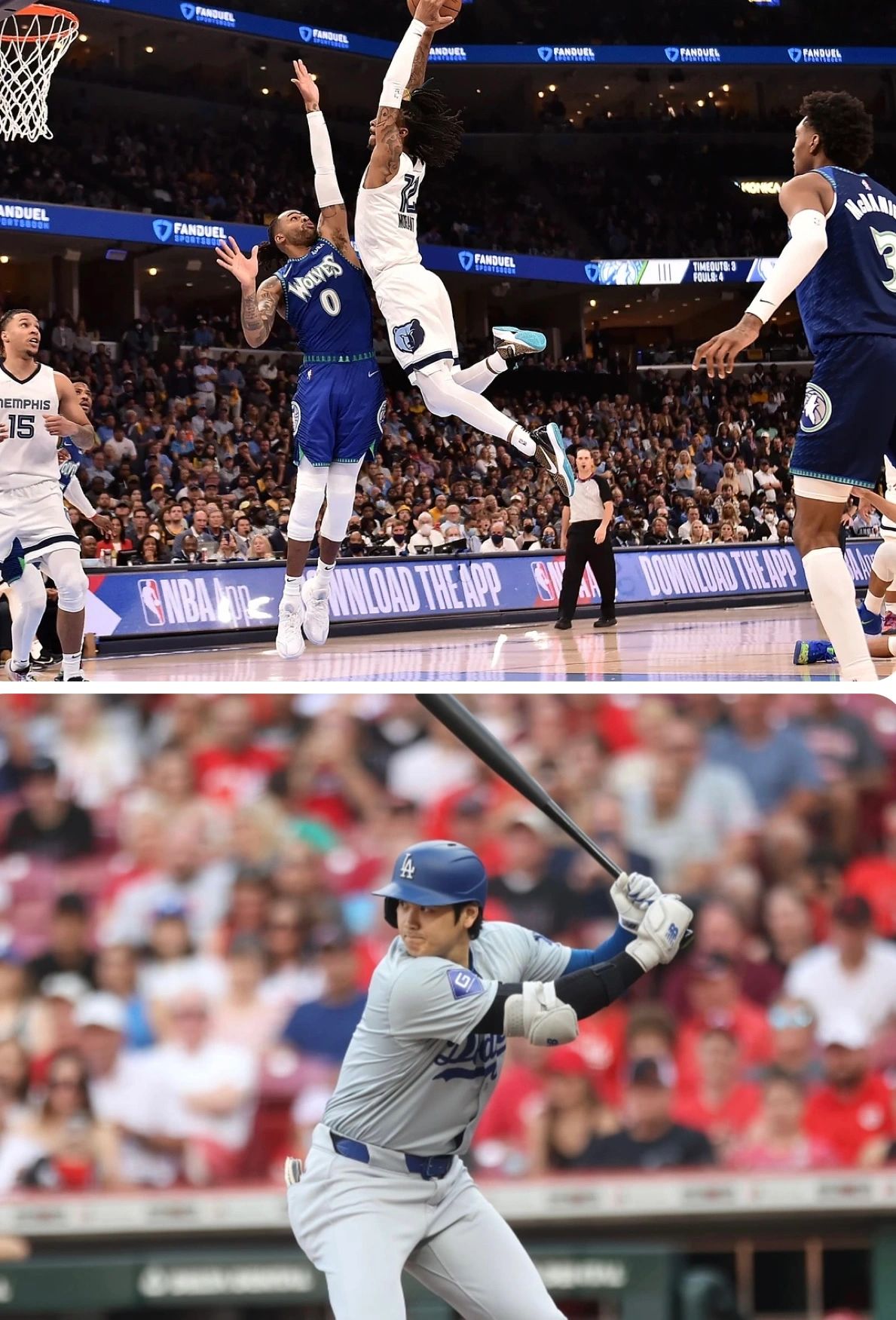
The way we screen for this with our athletes is through our belt squat & mid thigh pull force tests. By completing both of these force tests, we can see how much force an athlete can produce with their anterior chain and posterior chain. If we see a drastic difference in the amount of force they are able to produce with each, we know there is a muscular imbalance that needs to be addressed. Based on that, we can tailor each athlete’s program to their specific needs in order to balance out that muscular imbalance. This will help decrease the possible risk of injury but also hone in on the specific type of strength they need for their sport.

Anterior Upper Body vs Posterior Upper Body Muscular Imbalance
“ Musculoskeletal imbalances are frequent among the population, particularly those related to the spinal column. Between 45 and 85% of the people suffer from low back pains at a certain moment of their life, pains that, in most of the cases, are determined by vicious postures, over exertions, lack of physical activity, etc. The growth periods in children and adolescents engender imbalances of the bone and muscular systems, circumstances that suppose serious danger to the emergence of imbalances at the spine level. This danger is augmented by the adoption of inappropriate postures.”
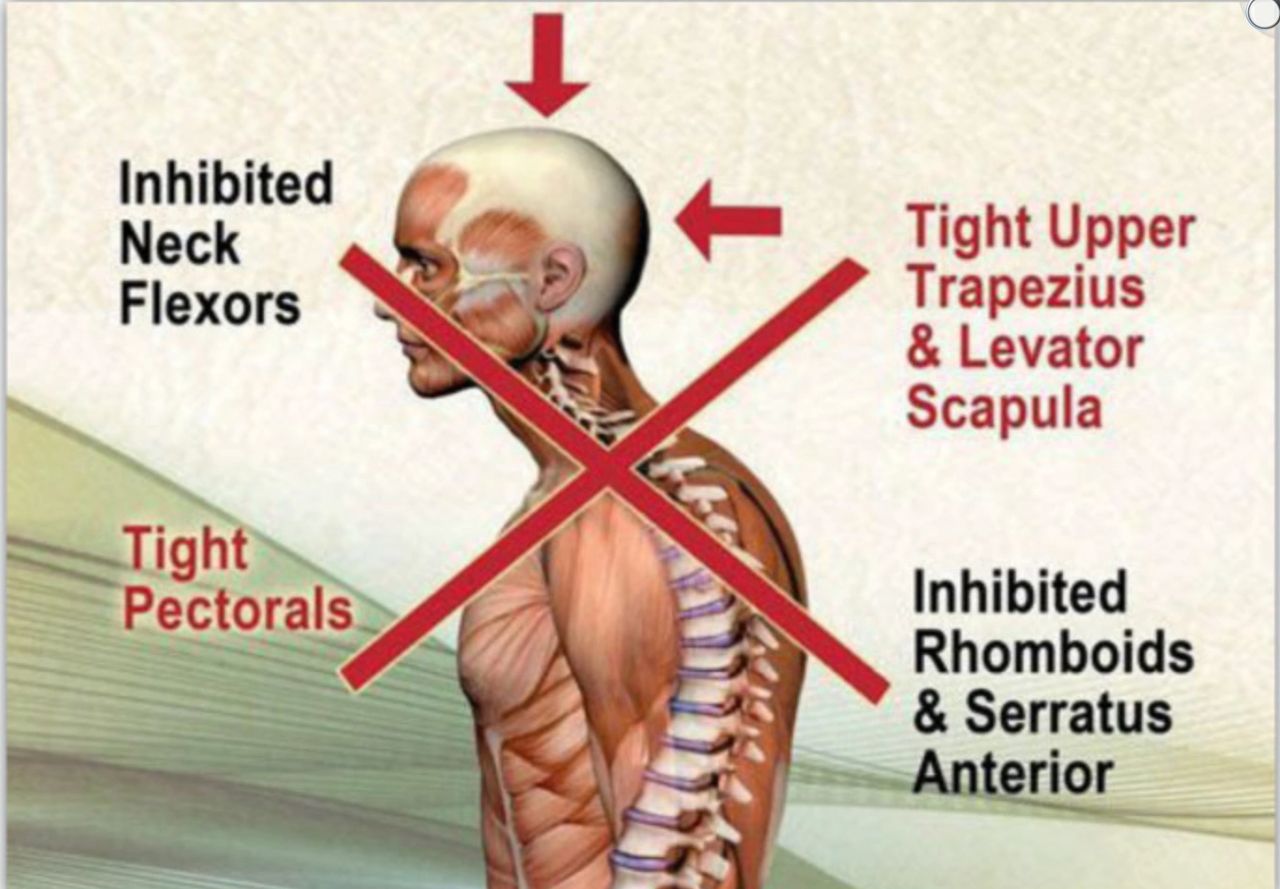
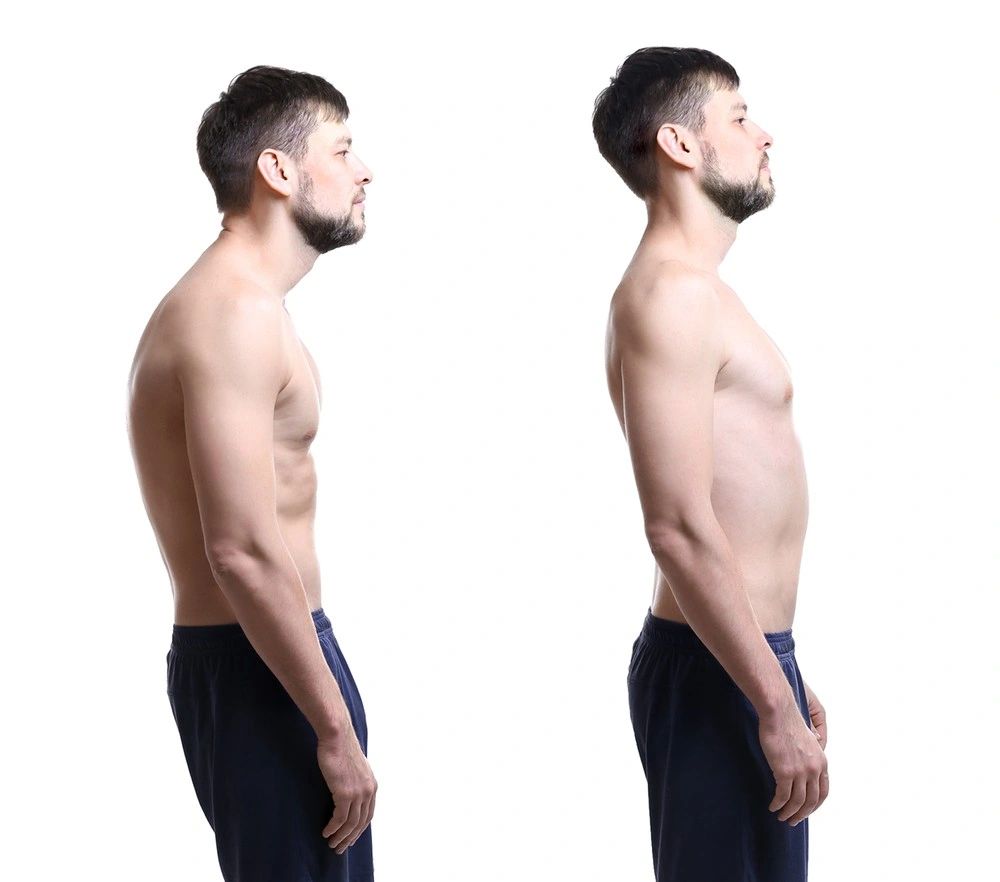
Now, postural imbalances could be caused by upper body muscular imbalances. When an athlete’s anterior upper body muscles are significantly larger or stronger than their posterior upper body muscles it can cause the athlete’s posture to be pulled forward into spinal flexion. In addition to the repercussions stated above, a “rolled shoulder” posture could also lead to a variety of shoulder injuries specifically in throwing sports such as baseball and softball.
“Shoulder impingement syndrome, superior labrum anterior to posterior (SLAP) lesions and multidirectional instability have all been associated with dysfunctional movement patterns of the scapula. Tightness in the pectoralis minor and/or in the posterior glenohumeral joint capsule may also affect movement due to a general anterior tilting of the scapula which impairs its ability to attain a normally upwardly rotated position.”
Click the following link for a previous VSP blog on the importance of training shoulder stability: https://velocitywestchester.com/dutchess-group-packs/f/an-athletic-must-shoulder-stability…
Now, the way we screen for this with our athletes is through our ISO pull & push force test. By completing both of these force tests, we can see how much force an athlete can produce with their anterior chain upper body muscles and posterior chain upper body muscles. Similarly to the lower body, if we see a drastic difference in the amount of force they are able to produce with each, we know there is a muscular imbalance that needs to be addressed. Based on that, we can tailor each athlete’s program to their specific needs in order to balance out that muscular imbalance. This will help decrease the possible risk of injury but also hone in on the specific type of strength they need for their sport. In addition, if an athlete comes in with a serious visual postural imbalance, this test can either support muscular imbalance being a reason for it, or expose other external factors contributing to the athletes posture.

Right Side vs. Left Side Muscular Imbalance
In sports, so much of our time is spent running, cutting, or jumping. Oftentimes, these movements require unilateral (single leg) strength, power, and stability. Think about it… how often do you run off two feet… cut off two feet… jump off two feet… almost never. When one side of your body is stronger than the other, particularly your lower body, it can affect the way you go about playing your sport & can affect how prone you are to injuries on your weaker side.
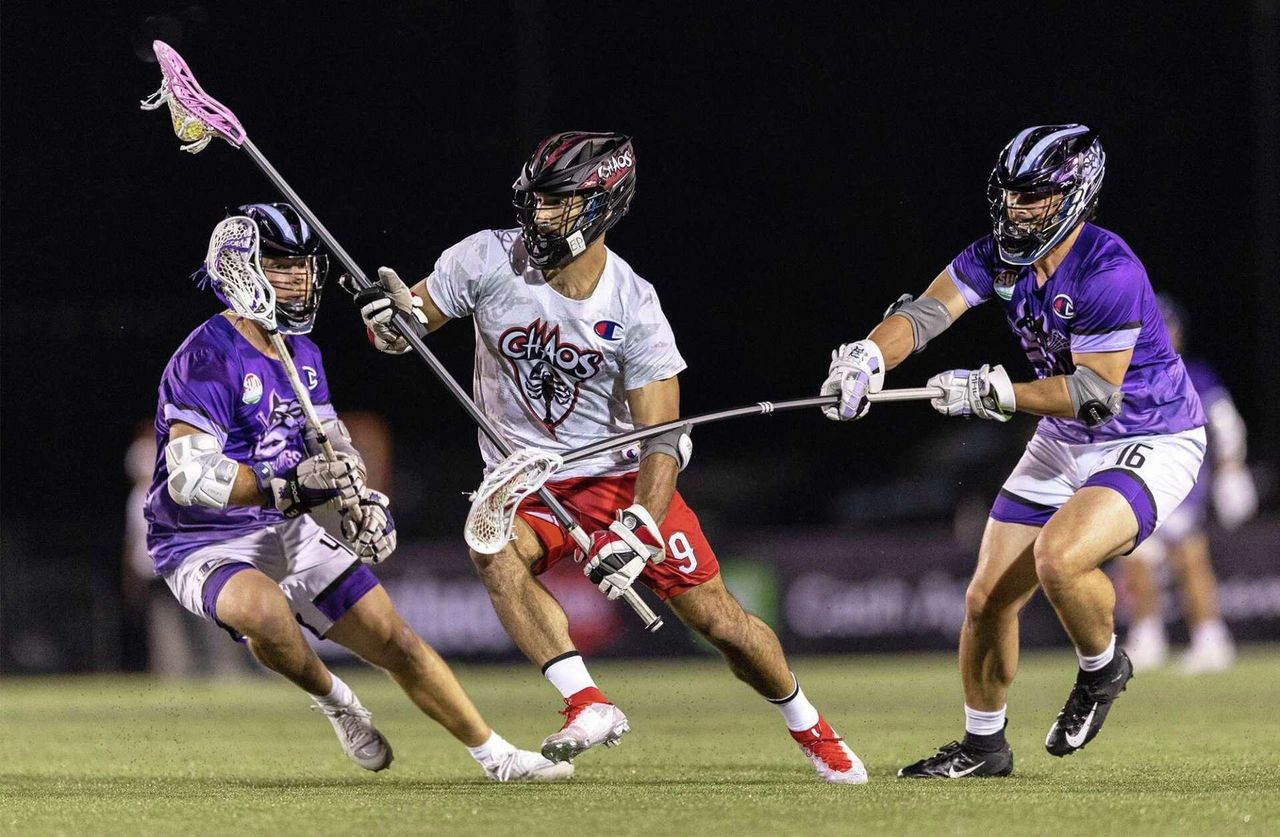
One example of how we screen for this is by having our athletes complete jumping tests bilaterally & then unilaterally on both sides. By having them perform these days with both legs individually, we can see a potential imbalance between the sides. This can allow us to know if an athlete is better suited for unilateral strength exercises, such as split squats, compared to bilateral strength exercises, such as a back squat.

Internal vs. External Rotation of The Shoulder
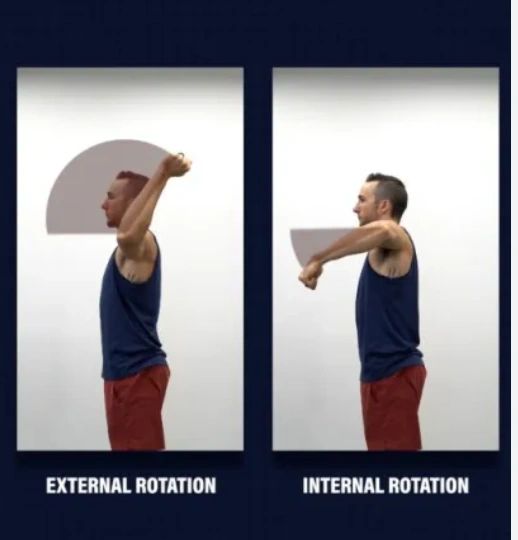
In sports such as baseball, softball, football (QB), or even volleyball, having adequate shoulder internal and external rotation is a necessity for shoulder health.
In addition to shoulder stability, which we have spoken about before, having enough ROM & strength within internal & external rotation is a crucial component as well.
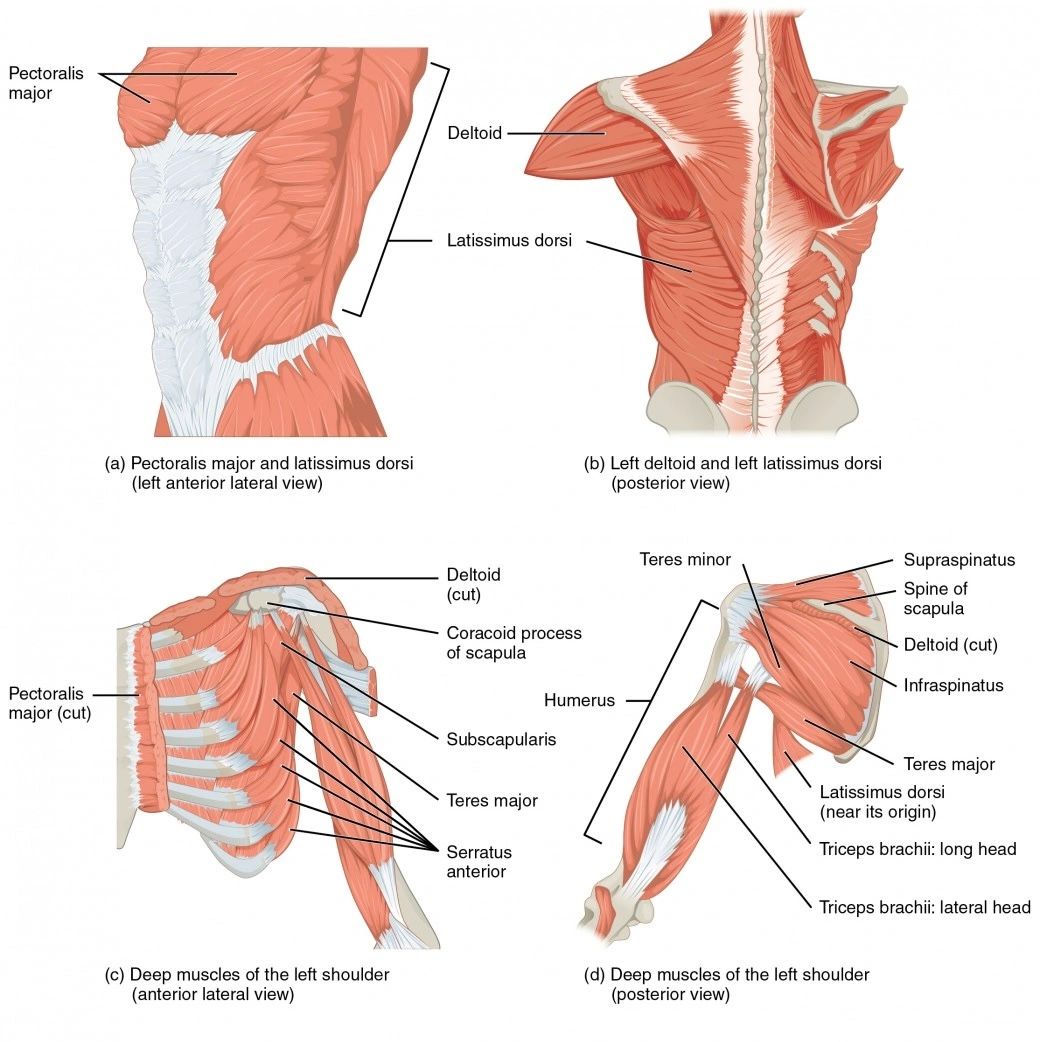
There are muscles that are responsible for internal rotation are: subscapularis, pectoralis major, latissimus dorsi, teres major, and the anterior deltoid.
And the infraspinatus and teres minor contribute to external rotation.
In a study done on baseball players, preseason weakness of external rotation was associated with in-season throwing-related injury resulting in surgical intervention in professional pitchers. Thus, preseason strength data may help identify players at risk for injury and formulate strengthening plans for prevention.
Like we spoke about before, certain imbalances between anterior & posterior upper body muscles could create postural problems resulting in shoulder issues such as a lack of stability or impingements. However, those muscular asymmetries could also cause an imbalance in the shoulders ability to internally and externally rotate, resulting in increased risk of injury.
Knowing this, allows us to add a second filter to athletes we see with imbalances in their upper body ISO push and pull tests. If we see an imbalance in that test & the athlete plays a sport that requires high amounts of stress on the shoulder we try to add individualized strengthening exercises, depending on their need, within their comprehensive program.
Now you know what muscular imbalances are, some of the different types of imbalances, how we screen for them, & therefore how we would attack them in the weight room. Like we have discussed all blog, having muscular imbalances could lead to increased risk of injury. By attacking your individual deficits, you can decrease those risks while improving your bodies ability to perform at its highest level. So…
What are you waiting for! See ya in the gym!
Written By:
Jake Lebovitch – Assistant Director of Performance & Content Manager
Sources:
1. Chen, Y., Lin, K., Kung, H.-T., & Lin, S. (2012). Determining RF angle of arrival using COTS antenna arrays. MILCOM 2012 – 2012 IEEE Military Communications Conference, 1–6. https://www.eecs.harvard.edu/~htk/publication/2012-milcom-chen-lin-kung-lin-gwon.pdfHarvard EECS
2. Schwellnus, M. P. (2004). A clinical approach to the diagnosis and management of acute muscle injuries in sport: Review article. International SportMed Journal, 5(3), 188–199. https://journals.co.za/doi/abs/10.10520/EJC48555Sabinet African Journals
3. Mrzygłód, S., Pietraszewski, P., Golas, A., Jarosz, J., Matusiński, A., & Krzysztofik, M. (2021). Changes in muscle activity imbalance of the lower limbs following 3 weeks of supplementary body-weight unilateral training. Applied Sciences, 11(4), 1494. https://doi.org/10.3390/app11041494MDPI
4. Lucado, A. M. (2011). Scapular muscle imbalance: Implications for shoulder pain and pathology. Physical Therapy Reviews, 16(5), 356–364. https://doi.org/10.1179/1743288X11Y.0000000039CoLab+3ResearchGate+3Tandfonline+3
5. Missouri State Medical Association. (2022). Balancing act: Muscle imbalance effects on musculoskeletal injuries. Missouri Medicine, 119(4), 320–324. https://www.ncbi.nlm.nih.gov/pmc/articles/PMC9324710/El Paso, TX Health Coach Clinic+2PubMed+2PMC+2
6. StatPearls Publishing. (2023). Anatomy, shoulder and upper limb, glenohumeral joint. In StatPearls. https://www.ncbi.nlm.nih.gov/books/NBK537018/
