

4 in 30!?! Goals, Time Management & Training Frequency…
Goals, Time Management & Training Frequency… A Conversation About The Recipe For Achievement, Adaptation & Athletic Success.
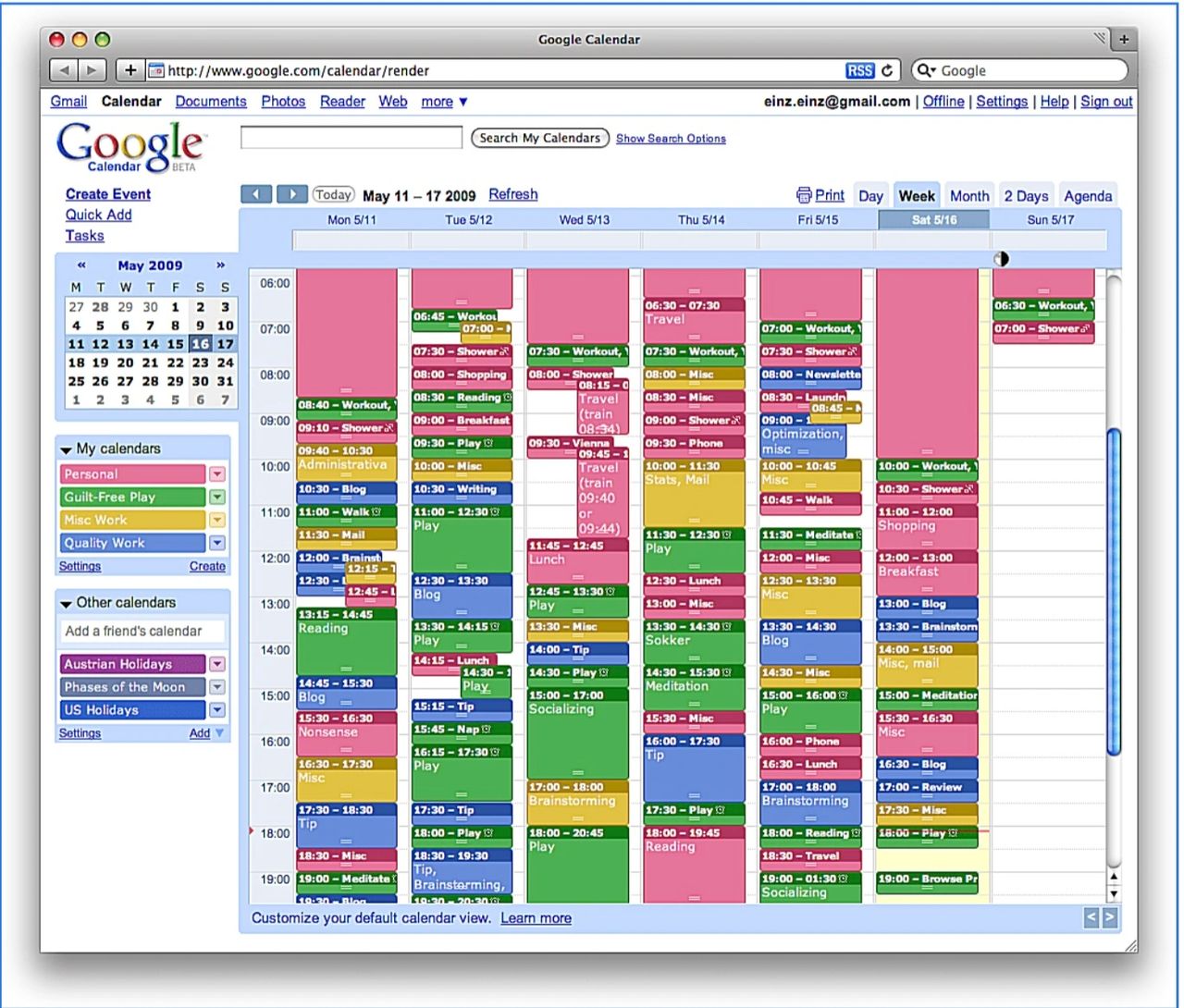
For competitive athletes, free time is often scarce. Their schedules are meticulously organized, with Google calendars filled to the brim with a variety of commitments. These include after-school activities, team practices, social gatherings, private skill development sessions, academic tutoring, and crucially, speed and strength training.
At Velocity, we understand the unique position that strength and conditioning occupies in the broader landscape of an athlete’s life.
While we recognize that our training may not be the top priority for many athletes – who often have multiple competing commitments – we firmly believe that it serves as the foundational element of their athletic development.
The principles of being Faster, Stronger, and Better form the bedrock upon which all other aspects of athletic performance are built. Without a solid foundation in strength and conditioning, athletes may find themselves sidelined by injuries, relegated to recreational games, or struggling to maintain their competitive edge.
Is 1x training session per week ever enough?
The answer really lies in aligning expectations. What you put in really unlocks what you can get out. Ever heard the old adage “eyes bigger than your stomach” or “having goals larger than your availability.” This emphasizes that while ambition is important, it must be matched by a realistic commitment to training. Simply attending one session may not be sufficient to attain significant progress. Even with various other commitments that may seem important, the principle remains: minimal effort typically yields minimal results. To achieve substantial improvements, consider increasing the frequency or intensity of your training sessions.

The short answer… no. Training x1 per week isn’t enough… but why?
Let’s start with our Velocity Continuum. Our coaching staff follows a detailed matrix of essential elements of athletic performance, when programming for our athletes. It is comprised of 3 main filters:
- Plane of Motion: Sagittal, Frontal, & Transverse
- Strength: Upper Body (push/pull), Lower Body (squat/hinge), & Olympic (full body kinetic movements)
- SAQ: Acceleration/Deceleration, Max Velocity, Speed Endurance
Each day, week, and month brings various dimensions to your training experience, characterized by changes in intensity and focus. When evaluating the effectiveness of attending only one training session per week, it’s important to consider whether this approach provides a complete training experience or merely a limited exposure to essential movements.
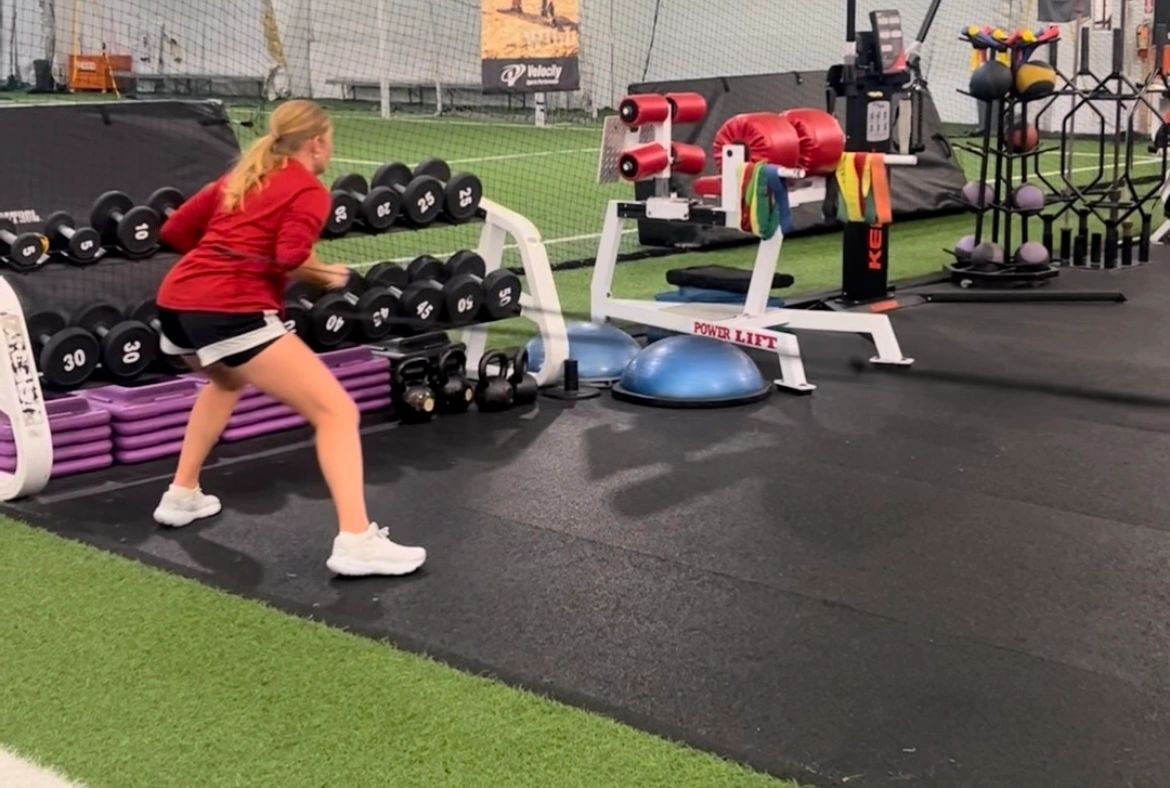
Training results fundamentally rely on the principle of adaptation. When you introduce a stimulus – such as a specific drill type, volume, or frequency – your body responds by adapting to better handle that stimulus in the future. This means that the more specific and varied the stimuli you engage with, the more tailored your body’s adaptations will be.
To truly benefit from your training, consider increasing both the frequency and variety of your sessions. This not only enhances your ability to perform a broader range of movements but also promotes more effective and targeted adaptations, ultimately leading to improved performance and fitness outcomes.
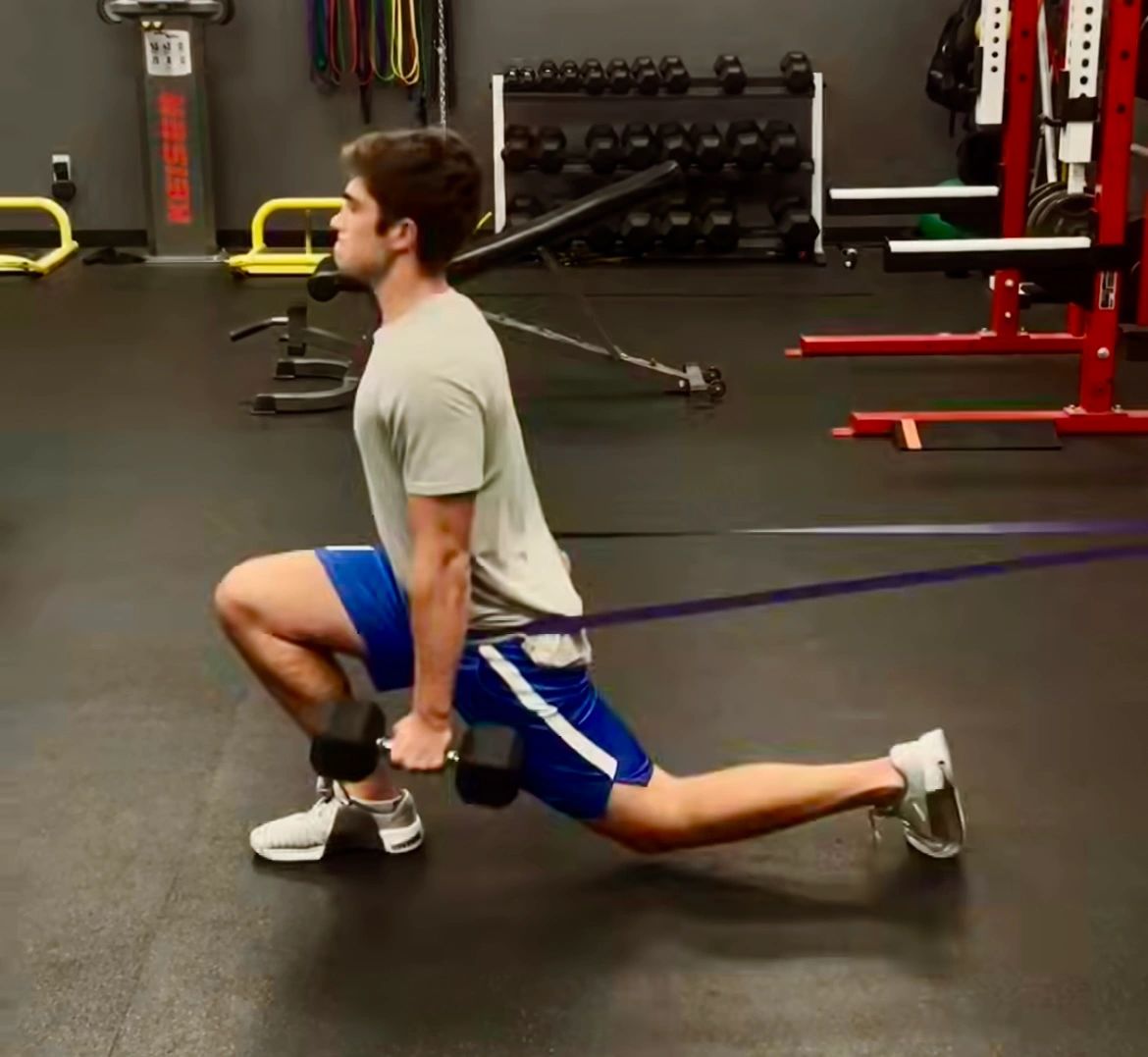
Age Related Biomechanical Change
This is what all training trickles down to. What type of age related Biomechanical changes are you looking to stimulate with your training? Is that specific type achievable with x1 of training per week? Some are, yes. Some are not. Let’s dive into it.
1. Culture, Behavior,Confidence Change, Movement Mechanics
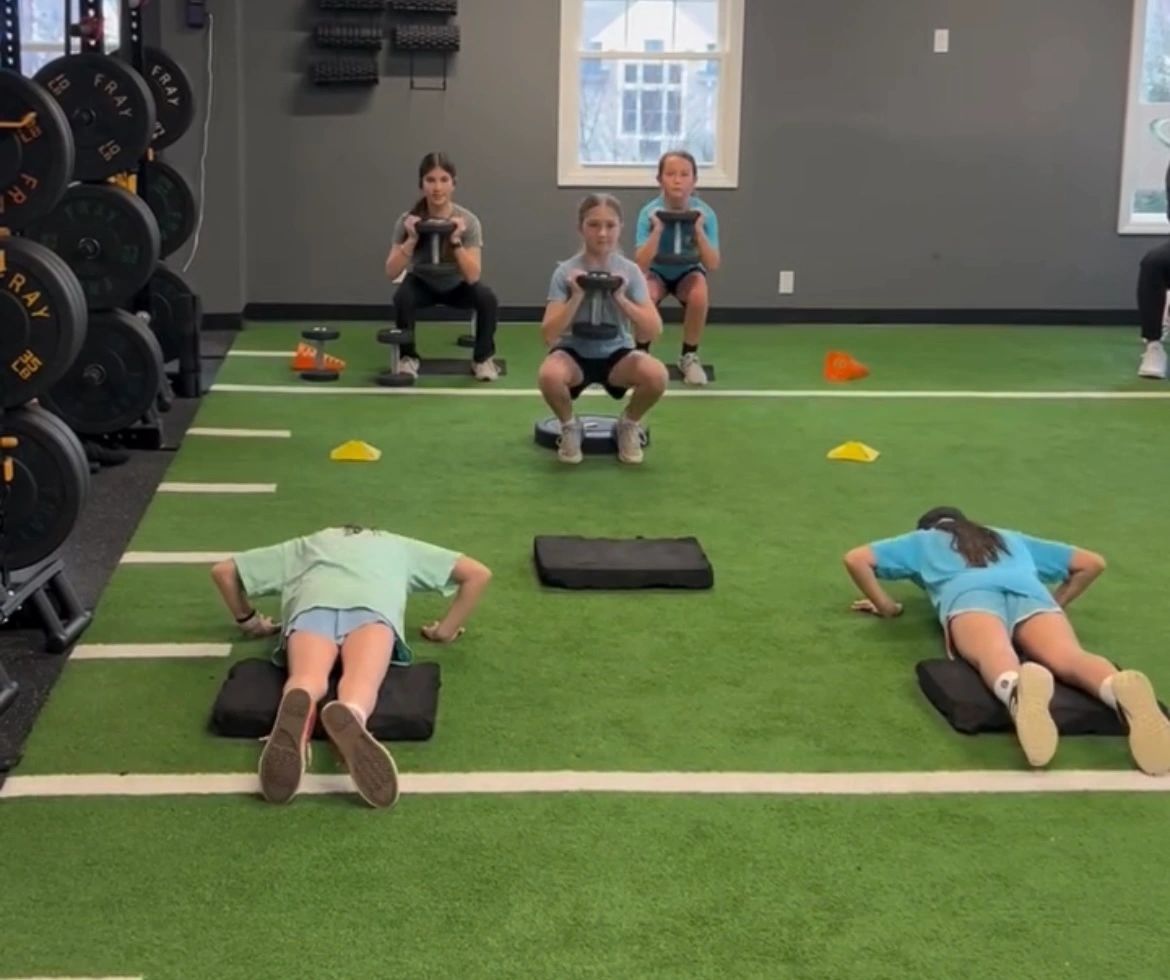
For many athletes ages 7-11 years old, these are really formative elements, well worth your time and resources.
1. Culture (establishing physical prep as a foundational facet of weekly practice)
2. Behavior Change (overcoming challenges and learning to take coaching & identifying weakness as a positive)
3. Confidence (the boost that comes from having put in time to prepare)
4. Movement Mechanics – foundational mechanics of movement have shown to improve in youth athletes training 1x per week. But we caution athletes to not be disillusioned by the initial spike in performance based on improved movement efficiency.
Showing up, working hard, gaining confidence, and improving movement efficiency can be developed by the athletes and witnessed by the coaches around you, even if only exposed once a week.

Although these intangible aspects are pertinent and in need of development in youth athletics, as you get older… capping your gains at ‘intangibles’ would be a failure to progress.
2. Strength, Power, & Body Composition
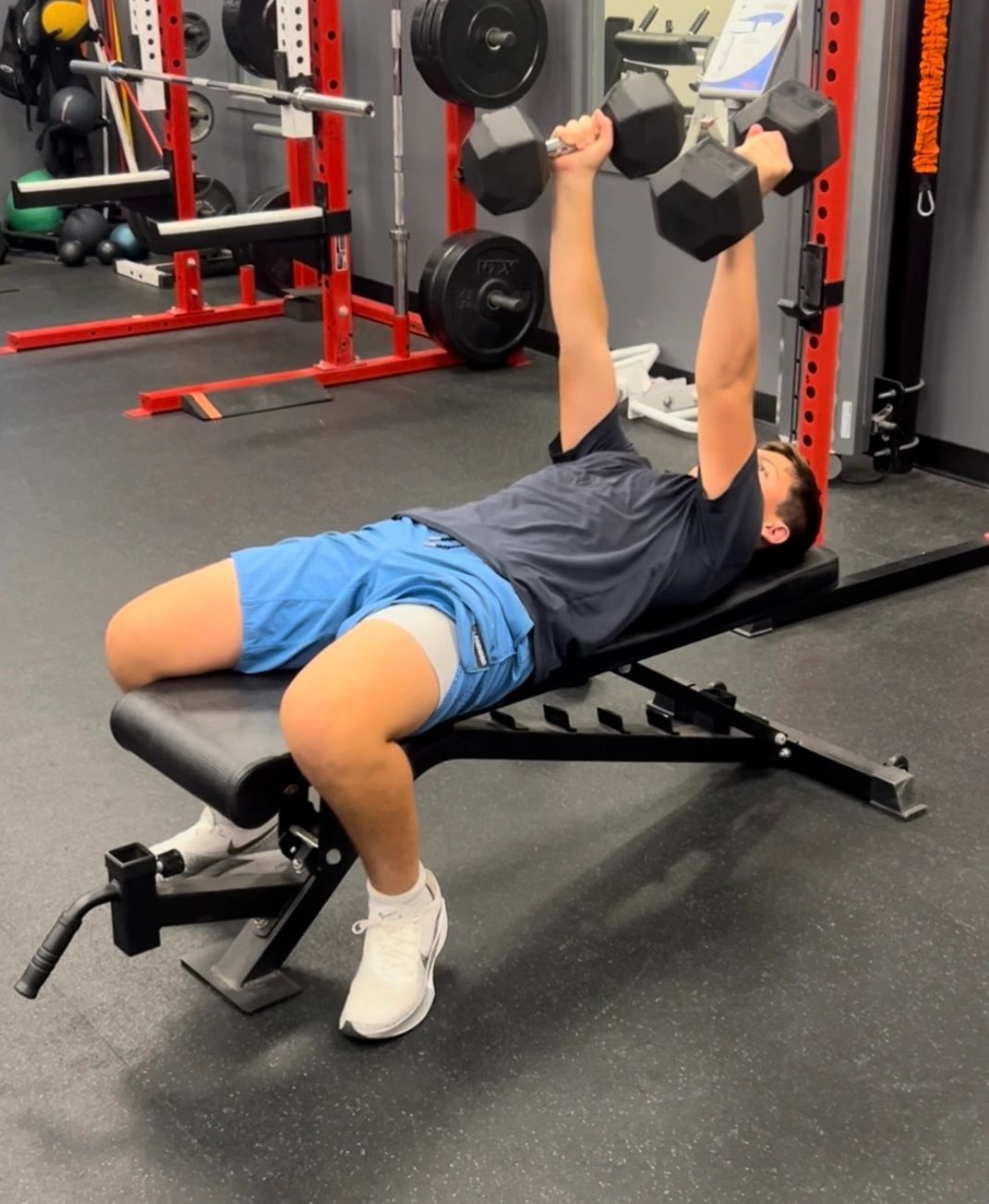
If you are looking to increase certain metrics such as strength, power, or even body composition, will x1 a week work?
No… Here’s why:
A study published in the National Library of Medicine States: “The use of medium weekly sets and high weekly sets was more effective than low weekly sets, with low weekly sets producing the smallest pre-to post-training strength difference. For novice and intermediate male trainees, the findings suggest that low weekly sets do not lead to strength gains compared with medium weekly sets or high weekly sets training. For those trainees in the middle ground, not novice and not advanced, the existing data provide a relationship between weekly sets and strength gain as set configurations produced different pre-to post-training strength increases. For well trained individuals, the use of either middle weekly sets or high weekly sets may be an appropriate dose to produce strength gains.”
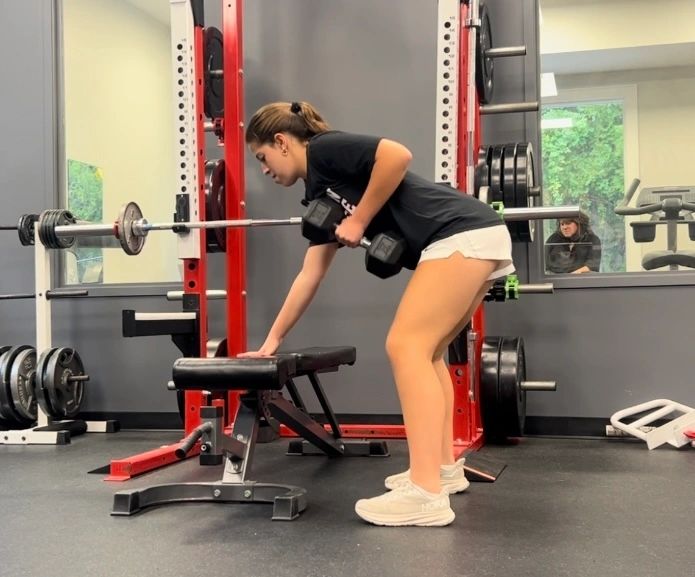
Seems pretty self explanatory… 2x a week, minimum, should be standard. And let us remember, we are not asking for 2, 8-hour work days. 2x a week at Velocity actually means… 2 HOURS per week!
3. Speed, Agility, & Endurance
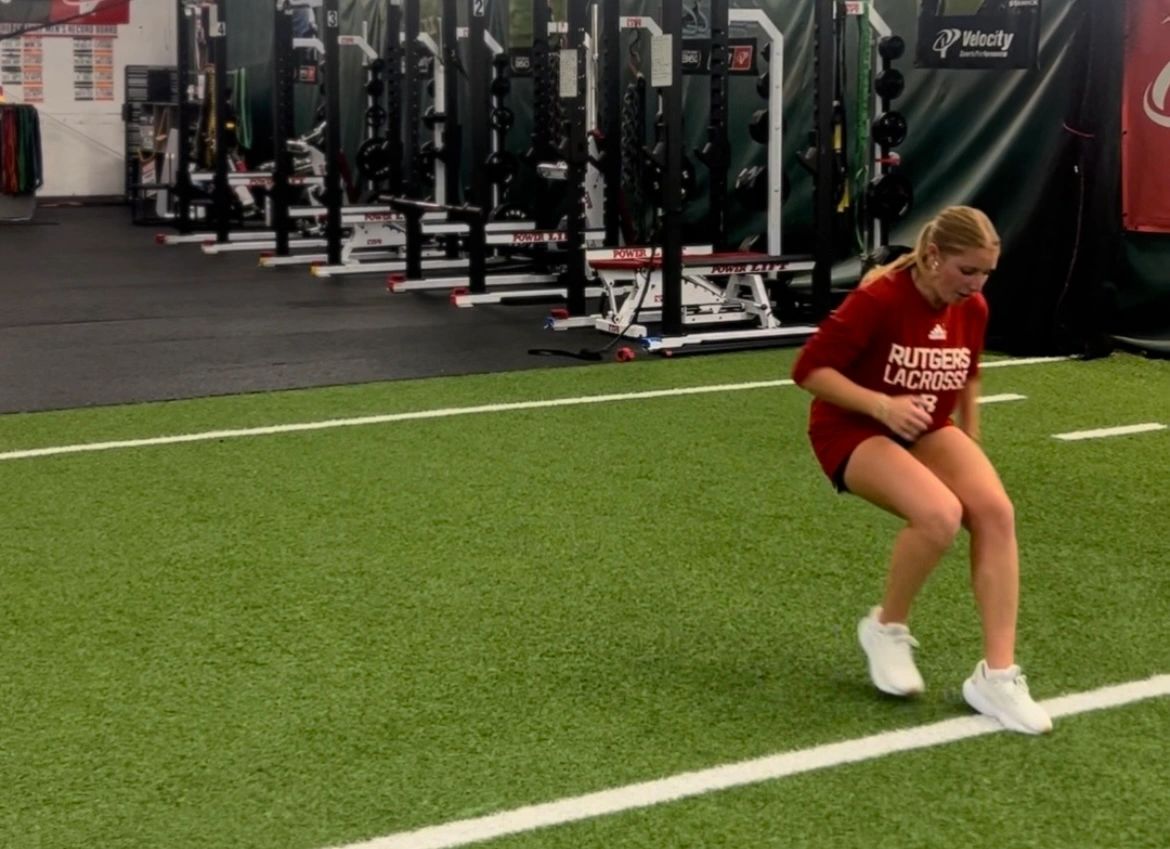
Now, if you are looking to increase other metrics such as speed, agility, & endurance, is 1 hour per week an effective training volume?
1x per week can’t be it… Here’s why:
In a study regarding training and developing elite sprint performance, it is stated that, “Our recommendation for long term athletic development: “Long-term performance development is only achieved when athletes are exposed to a systematic increase in training load over time, while adequate recovery is ensured. Indeed, the capacity to perform and absorb large training loads is seen as both an adaptation over time and a talent in itself. Training load in sprint running is determined by a series of components such as training modality (e.g., sprinting/running, strength training, plyometric training), duration, intensity, resting periods, session rate, etc…”

Simply put, speed training 1 in 7, 2 in 14, 3 in 21 or 4 in 30 days can’t possibly produce the game changing results you called Velocity for in the first place.
So, what is our standard recommendation when it comes to training volume?
Based on our perspective, training at least twice a week is essential for effective progress. If you are not currently in-season and actively competing in your primary sport, increasing your training frequency to three, four, or even five sessions per week can significantly enhance your long-term athletic development.
The more time you dedicate to training, the greater the benefits you will experience in terms of skill acquisition, strength, and overall performance.
Now that you are equipped with this information, consider how you can adjust your schedule to maximize your training opportunities. What steps will you take to elevate your commitment to your athletic growth?
See you in the gym! (More than 1x per week!)
Written By:
Jordan Bledsoe – Director of Sports Performance
Jake Lebovitch – Sports Performance Coach & Liaison to Athletes
Sources:
Ralston, G. W., Kilgore, L., Wyatt, F. B., & Baker, J. S. (2017, December). The effect of weekly set volume on Strength Gain: A meta-analysis. Sports medicine (Auckland, N.Z.). https://www.ncbi.nlm.nih.gov/pmc/articles/PMC5684266/
Haugen, T., Seiler, S., Sandbakk, Ø., & Tønnessen, E. (2019, November 21). The training and development of Elite Sprint Performance: An integration of scientific and best practice literature. Sports medicine – open. https://www.ncbi.nlm.nih.gov/pmc/articles/PMC6872694/
