

An Athletic Must! Shoulder Stability…
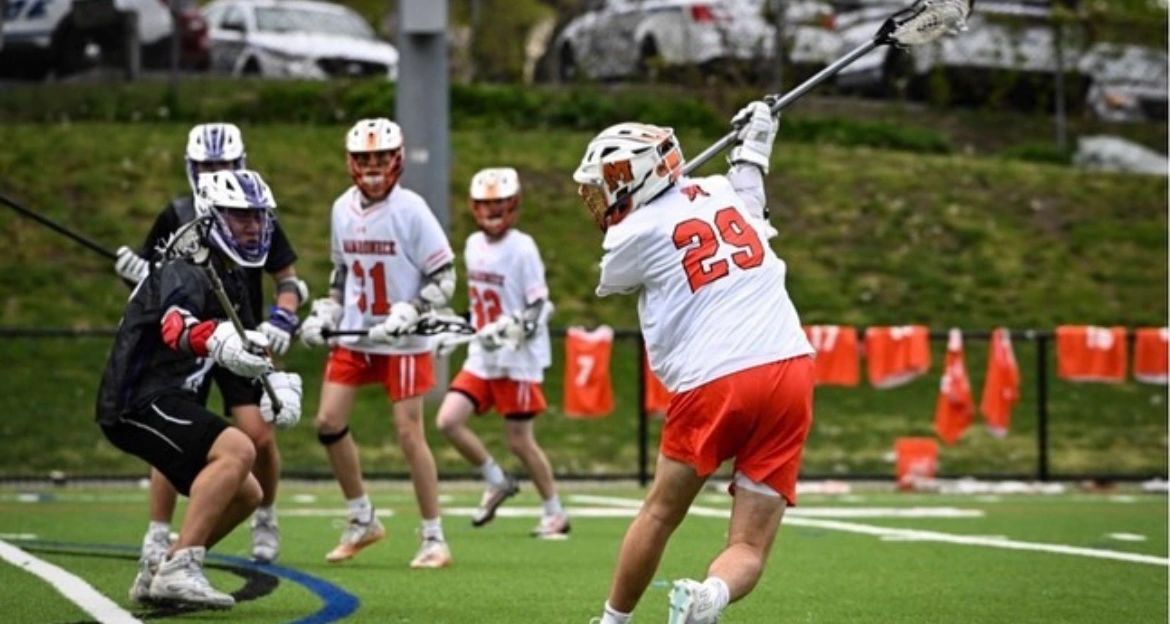
Throwing a 90 MPH fastball, throwing a 50-yard touch-down, serving an ace in tennis or volleyball, or even slinging an overhand goal in lacrosse…
What do all of these actions have in common?
They are sport specific overhead movements that cause high amounts of stress on the upper body – specifically the shoulder joints.

One of the most neglected aspects within the field of player development is the concept of regularly training shoulder stability… for a variety of athletes!
When athletes, parents, and coaches think about training shoulder stability and acknowledge which athletes need to be performing these exercises most frequently –everyone shoots right to baseball players.
Of course, having proper stability within the shoulder joint is incredibly important to maintaining health and performance in baseball players, pitchers specifically. However, having adequate shoulder stability applies to many other sports and performance aspects within our field.
Let’s dive into why shoulder stability is so important…
The muscles and tendons located within the rotator cuff (shoulder) work in unison to compress and stabilize the shoulder joint. A lack of stability in this area could increase the overall risk of injury and present itself in shoulder pain with overhead movements, overactive (tight) pecs, lats, delts, and upper traps, and even potentially increase pain within the elbows, wrists, neck, and thoracic spine.
Now, of course most of the force generated in our sport specific movements come from large muscle groups – however, the rotator cuff refines and generates the forces that are produced by these muscles in order to facilitate pain free movement.
What other sports is this pertinent to…
Like it was briefly mentioned prior, aside from baseball players, some other sports that benefit from adequate shoulder stability:
· Football – Throw
· Lacrosse – Shot
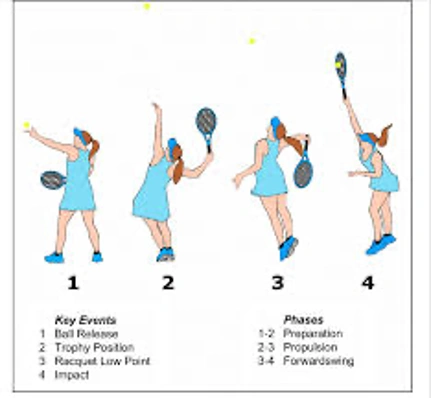
· Tennis – Serve
· Volleyball – Serve
All of these movements within these sports require high demand and stress being put on the shoulder joint. Without adequate ROM and stability – the risk for injury to this area could increase exponentially.
“If it’s so important, how I train it?”
Phase 1:
· Focused on fundamentals – creating a strong base of shoulder health in order to present a reduction in possible injury.
Phase 2:
· Building on the fundamentals of stability – Incorporating “sport specific” stabilization exercises that replicate the throwing motion.
Phase 3:
· Speed and Coordination – Incorporating exercises that focus on the stability of the shoulder joint through faster more coordinated movements.
Now… you understand why shoulder stability is crucial to overall performance and health, you know which variety of athletes these concepts apply to, and you also know how to progress through training shoulder stability…
What are you waiting for? See you in the gym!
Written by: Jake Lebovitch – Sports Performance Coach & Liasson to Athletes
