

Force is Everyth(k)ing…
What is Force?
If you asked a construction worker they might say taking a wrecking ball and demolishing a three story duplex building. If you asked a NASCAR driver they might say going 200mph down a straightaway in a 1955 Hudson Hornet. If you asked a Football coach they might say when their linebacker fills the “B” gap on the goalline.

What they all have in common is that force is certainly being produced.
Force = Mass x Acceleration.
Mass = Amount of matter within a given object.
Acceleration = rate at which velocity changes within time, in both speed and direction
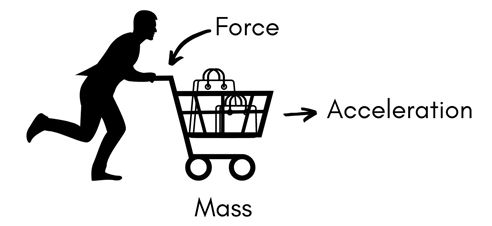
Force plays a role in every movement that occurs & leads to the performance of every single movement in sports. It does not matter if you are trying to run faster, stop quicker, or jump higher. You must be able to produce force to accomplish all of those tasks.

How We Train It
Let us revisit the equation: Force = Mass x Acceleration
When you think about an athlete competing on a playing surface, the mass (their bodyweight) is always constant. The acceleration, on the other hand, is what constantly changes.
The position of acceleration (lateral, linear, rotational) can impact the amount of force an athlete can produce.
Athletes must have the physical capacity to put their body in a position to be successful.
For example:
1. Athletes need to have adequate mobility (Flexion to Extension) in their hips, ankles, & shoulders.
2. Athletes need to have adequate strength to be able to create an impulse
3. Athletes need adequate body control & awareness so they can master the technique behind jumping, sprinting, deceleration, change of direction.
As coaches, we need to be able to take all of these biological changes and then teach our athletes how to apply them into creating more force. Some examples of ways we can do that is by teaching our athletes about proper shin angles, body lean, & foot strike.
.jpeg/:/rs=w:1280)
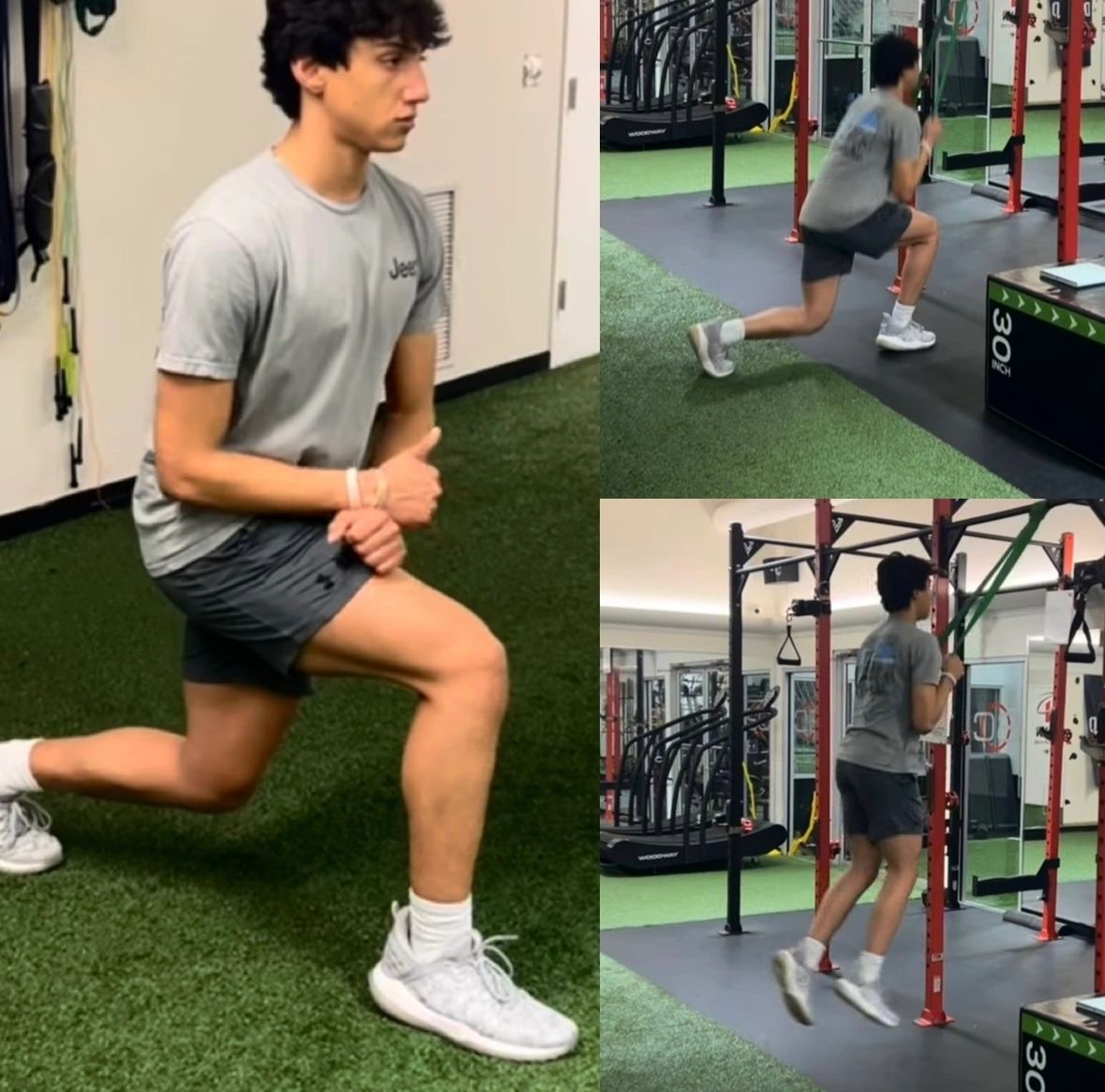
Another way we like to increase force production here at VSP is by moving our athletes “slow to fast”. First having them complete resisted movements, then unresisted movements, & finally assisted movements. All aiding in the athletes ability to move fast and increase the amount of force they are able to produce.
Why Does It Matter?
Efficiency of Movement:
The more efficiently an athlete moves, the less energy is required. Think about it… the shortest point between two distances is a straight line. Therefore, more steps & longer routes results in more effort required. Which will result in more energy expended & eventually result in quicker fatigue.

Building on the topic of fatigue, we can also hit on injury reduction:
Many injuries occur when an athlete is in a fatigued state. Increased levels of fatigue can cause the athlete to develop improper body positions. This can lead to compromised positions that can negatively result in injuries to the athlete.
Now that we know what force is, how we train it, and why it matters… what are you waiting for?
Get in the gym and start training that force output! We’ll see you there!
Written By:
Kyle Smith – Assistant Director of Performance
Jake Lebovitch – Sports Performance Coach & Liaison to Athletes
