

The Ins & Outs of Nutrition & Body Composition
The Ins & Outs of Nutrition and Body Composition
Performance
A common comparison in the world of player development is the functionality of the human body & the functionality of cars. Firstly, would you drive a car whose engine wasn’t performing at a high level? I hope not… Second, do you think the engine would have the best chance of performing at a high level with bottom tier fuel? I don’t think so…
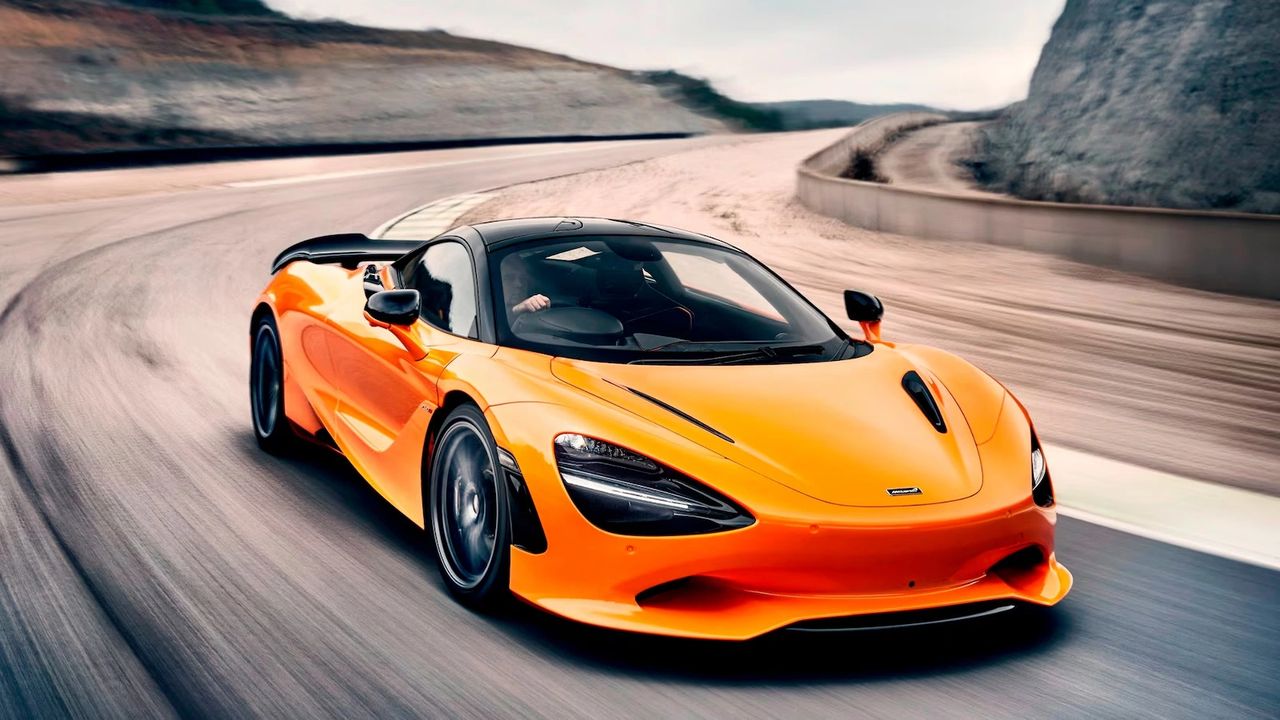
So, now let’s compare it to the human body:
- Would you try & compete or perform at a high level if your body wasn’t capable of performing at that level?
- Do you think your body has the best chance of performing at a high level with bottom tier fuel?
Again, both answers should be no.
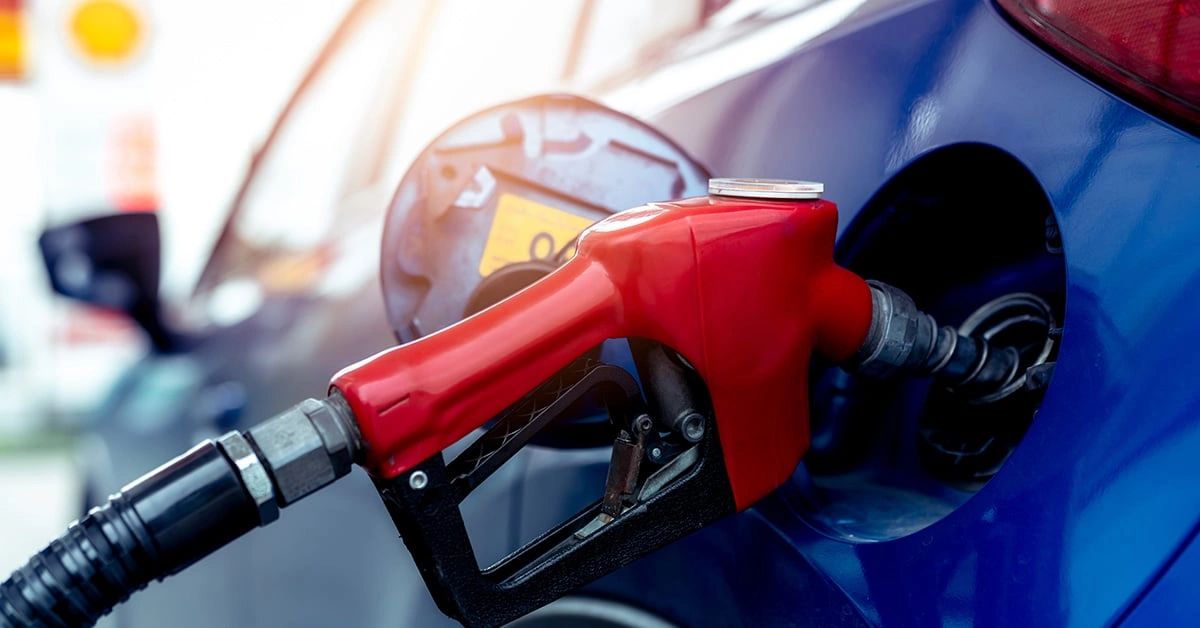
Fuel is food. The better fuel you put in the car the better it runs. Same applies for the body. The better food you put into your body the better it runs. The body thrives and performs the best on more nutrient dense foods.
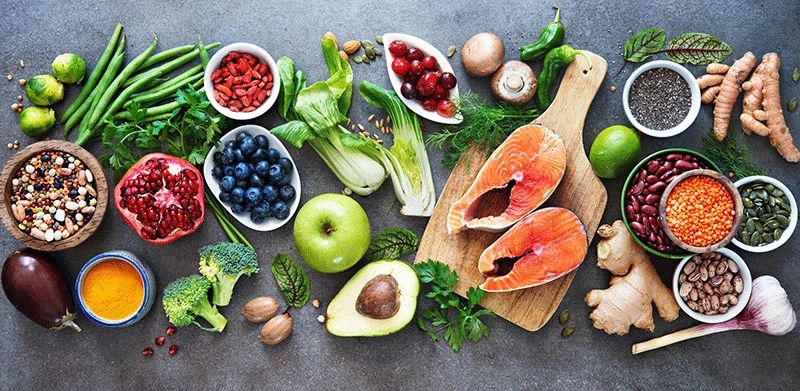
You might ask “what are nutrient dense foods?”
According to the NCI – they are:
1. “Food that is high in nutrients but relatively low in calories. Nutrient-dense foods contain vitamins, minerals, complex carbohydrates, lean protein, and healthy fats.”
Examples of nutrient-dense foods include fruits and vegetables, whole grains, low-fat or fat-free milk products, seafood, lean meats, eggs, peas, beans, and nuts.”
- The complex carbs & healthy fats are great fuel sources for our body.
- The vitamins & minerals aid in boosting our immune system, regulating internal bodily functions & help cells and organs do their jobs.
- The lean proteins are essential in recovery & muscle growth for our bodies.
Recovery
Physical rest itself isn’t the only pertinent component of recovery for athletes. The food you consume is also a massive component of that recovery as well. Like we just stated, protein is essential for recovery in the body. Protein aids in repairing and recovering muscle tissue after hard bouts of training or competition. As we all know, training and competing puts huge amounts of physical stress on the body. Without the proper muscular recovery, you may experience increased soreness, fatigue, and performance dips.
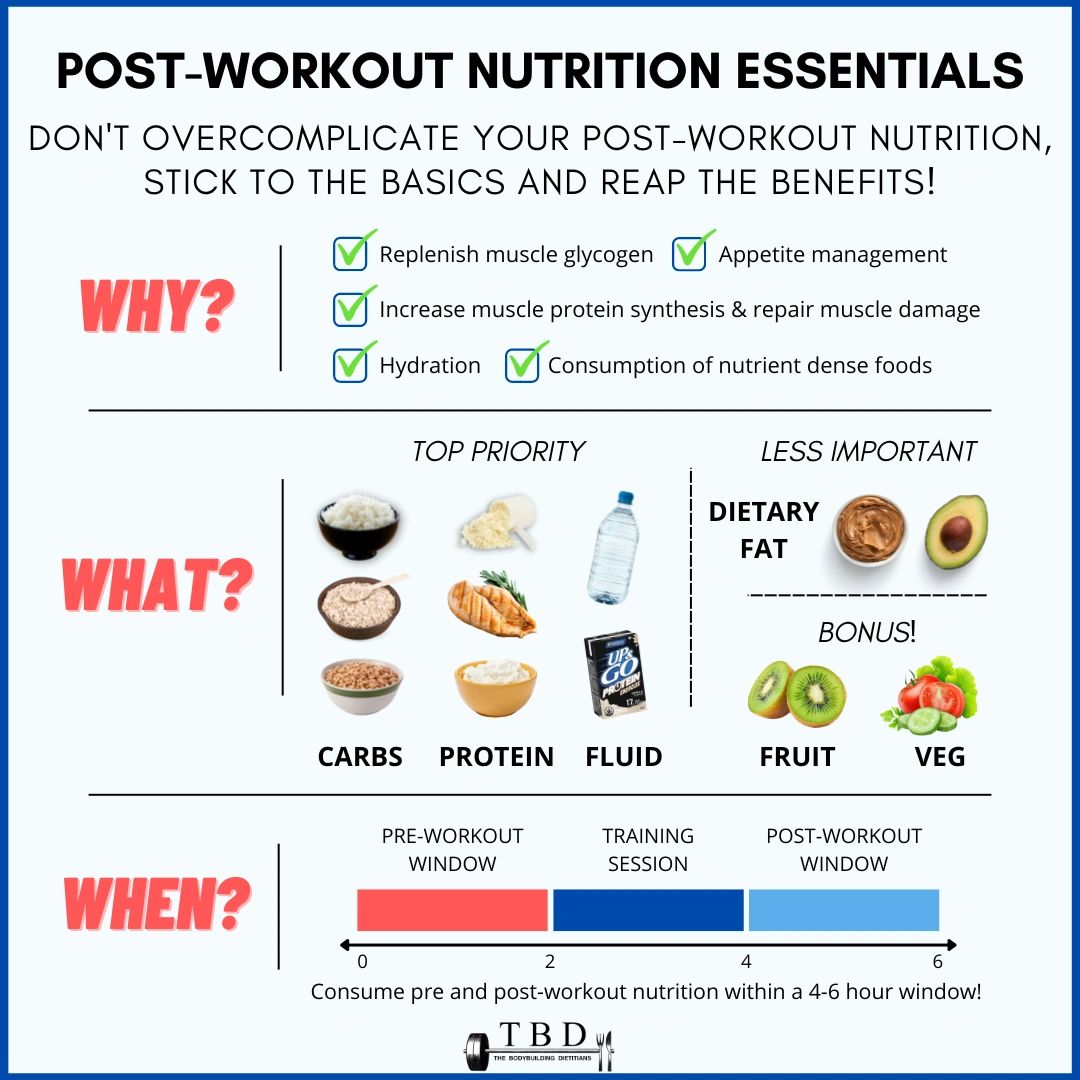
Following the recommendations from the Cleveland Clinic – A good goal for athletes is:
- Try and consume a protein dense food sometime within 30-60 minutes post training session or bout of competition. Within this “anabolic window” of 30-60 minutes post exercise is when the body will maximize recovery from nutrients and protein.
- Reasoning: Your body is primed after a workout to use any protein you consume. That window of time after you exercise is when your body is just a little bit more efficient at utilizing that protein to help build that muscle, versus while you’re exercising and you’re breaking down the muscle and stressing the muscle. It’s key to get enough protein after exercising to help repair your muscles, which are worn down. Your body is going to utilize more of that protein. It’s fast and easy to consume so it gets into your body to really help you recover and refuel.
Now… let’s talk about body composition: Bulking/Cutting ~ Gaining Weight/Losing Weight
There are many different variables or reasons for wanting to gain or lose weight in regards to your sport. The overarching theme of it all is: become the highest performing version of yourself.
There are times that you may be “fast enough” or “quick enough” but not “big enough” or “strong enough”. Vice versa, maybe you “bully people” on the court but “never get back on defense on time.” Or you never get “boxed out” but you “arent explosive enough.” These are all scenarios where you may need & want to gain or lose weight & size.
So how do you go about it?
- Bulking/Gaining Weight
- The main thing you’re trying to do is just slowly increase your food intake or caloric intake. The more calories you consume, the more mass you’ll gain. Aim for 300 – 500 extra calories/day.
- Now it’s the opposite with cutting. The main thing you’re trying to do is slowly decrease your intake of food or caloric intake. The less calories you consume, the more mass you’ll lose. Now this doesn’t mean to not eat at all!!! You just need to eat a little less of what you’ve been “maintaining”. Aim for 300-500 less calories/day.
To figure out whether you want to bulk or cut, like we mentioned before… figure out your goals first! After that, try to record your food intake for a week or so. After that, depending on your goals, either slowly increase or decrease the caloric intake.
Example day of eating for someone looking to “bulk” or “gain weight”:
14 year old boy – Weight: 130 LBS – Goal Weight: 145 LBS – Aim: Gain 1 LBS per week – Trains at VSP 3x per week – Thinks he is eating “enough”
Current calorie consumption: 1540 Calories
- Breakfast – 2 Eggs – 140 Calories
- Lunch – 2 Slices of Pizza – 600 Calories
- Dinner – Pulled Beef Sandwich – 600 Calories
- Dessert – Scoop of Ice Cream – 200 Calories
Necessary calorie consumption: 2930 Calories
- Breakfast – 3 Eggs, 1 Piece of Toast, Cup of Chocolate Milk – 530 Calories
- Snack – Protein Bar – 200 Calories
- Lunch – 2 Slices of Pizza – 600 Calories
- Snack – 2 handful of nuts – 200 Calories
- Dinner – 2 Pulled Beef Sandwich – 1200 Calories
- Snack – Cup of Chocolate – 200 Calories
Some lessons learned: Fuel your body if you want it to perform, choose the highest quality fuel if you are trying to achieve the highest quality performance, & find the most ideal version of yourself to achieve all of your athletic goals! Get big, get strong, get quick, get fast, & most important… get competing!
As always… see you in the gym!
Written by:
Jake Lebovitch – Sports Performance Coach & Liaison to Athletes
Matt Johnson – Sports Performance Coach
Sources:
NCI Dictionary of Cancer terms. Comprehensive Cancer Information – NCI. (n.d.). https://www.cancer.gov/publications/dictionaries/cancer-terms/def/nutrient-dense-food
Cleveland Clinic. (2024, June 27). When you should drink a protein shake. https://health.clevelandclinic.org/when-to-drink-protein-shakes
Bulking vs. cutting: What’s the difference? Nike.com. (2022, July 26). https://www.nike.com/a/bulking-vs-cutting-benefits
